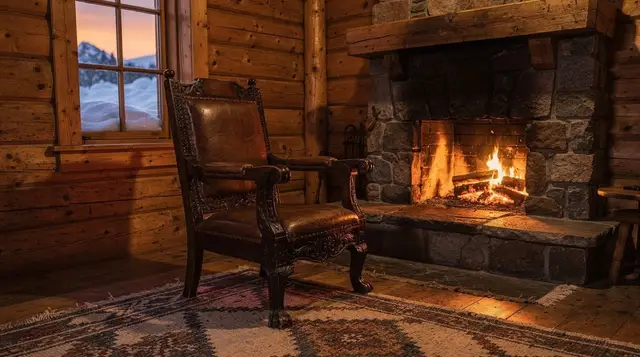
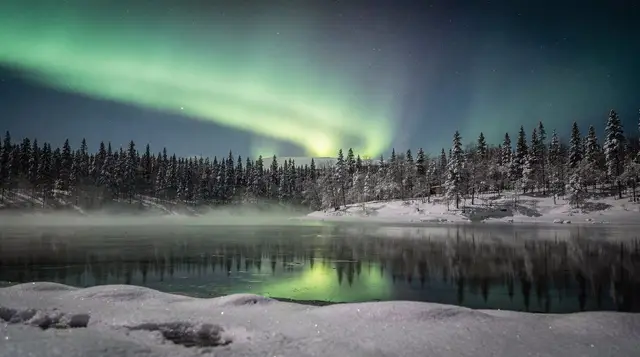
Snow and ice hotels in Finnish Lapland
What is it actually like to sleep in a snow or ice hotel in Lapland?
Interior temperature is kept around -3 to -5°C even though the whole building is made of snow and ice, and guests sleep in an insulated thermal sleeping bag on a raised platform. Almost everyone books a single night in the cold room, then moves to a normal heated room for the rest of the stay. The hotels are rebuilt from scratch each winter and only exist roughly from December to April.
What a snow or ice hotel actually is
A snow or ice hotel is a building made almost entirely from frozen water, rebuilt every winter and gone again by spring. Walls are either compacted snow, sprayed and packed onto steel forms until it sets like dense polystyrene, or blocks of clear ice cut from a nearby lake and carved into furniture, archways and sometimes full sculptures. Inside, corridors run past themed rooms, an ice bar serving drinks in glasses made of ice, and often a small ice chapel used for weddings. None of it is heated. The interior temperature is controlled only by the insulating properties of snow and ice themselves, which is why it stays close to freezing rather than plunging with the outdoor cold snap outside.
This page is a general comparison of that category of accommodation across Finnish Lapland, not a review of one property. Kemi’s SnowCastle, which combines a snow hotel with a public snow castle open to day visitors, has its own detailed guide; if that is the specific one you are weighing up, read the Kemi SnowCastle guide instead, or see the Kemi destination page for what else is nearby. Heated glass igloos are a different experience again, covered separately in glass igloos are they worth it and glass igloo northern lights.
How these hotels get built each year
Construction typically starts in November, once temperatures are reliably below freezing. Snow is either machine-blown onto steel or wooden formwork and left to compact for several days, or packed by hand and left to sinter — the process by which loose snow crystals bond into a solid mass. Ice blocks are cut from a frozen lake nearby, moved by tractor, and carved once in place, usually by visiting ice artists who change the theme each season.
The whole structure typically opens in December and is demolished, or simply left to melt, some time in April. A mild winter can shorten the season; a very cold one can extend it by a few weeks. This is worth knowing before you plan a trip around one specific date: always check the property’s stated opening dates for the winter you are travelling in rather than assuming last year’s calendar repeats exactly.
Because the whole building is temporary, no two seasons look identical. The theme of the ice bar, the sculptures in the corridors, and sometimes the entire room layout are redesigned each year. That is part of the appeal for repeat visitors, and part of why photos in a brochure may not match what you find in a given winter.
How cold it really is inside
Interior temperature in the sleeping rooms is generally maintained around -3 to -5°C, which sounds alarming until you understand why. Snow and ice, once compacted, trap air and act as an effective insulator — similar to the reason igloos have historically worked as shelter for Arctic peoples. Once a room is sealed and stops losing heat to ventilation, the temperature stabilises well above the outdoor low, which in a Rovaniemi winter can sit anywhere from -10°C to below -25°C on a hard night. In practice this means the ice room can be noticeably milder than the air outside the front door.
Every guest sleeps in a thermal sleeping bag rated for the conditions, laid on an insulated mattress on a raised wooden or reindeer-hide platform — never on the ice floor itself, which would pull heat away far faster than the air does. Staff usually brief guests on how to seal the bag properly, including keeping the face partly covered and hands and feet tucked well inside. Getting this wrong, more than the room temperature itself, is the main reason some guests have an uncomfortable night.
What’s provided, and what to bring
Nearly every established snow or ice hotel supplies the following as part of the room rate:
| Provided by the hotel | Bring yourself |
|---|---|
| Insulated thermal sleeping bag | A base layer you can sleep in (avoid cotton) |
| Insulated sleeping mat or platform | A warm hat for sleeping |
| Reindeer or sheepskin hide for extra warmth | Thick socks, ideally wool |
| Heated changing room and lockers nearby | Toiletries, since cold rooms have none |
| Heated toilets a short walk away | A water bottle — the cold, dry air is dehydrating |
Do not sleep in your outdoor snowsuit; overheating and then sweating inside a sealed bag is counterproductive, since damp fabric loses insulating value fast. Our three-layer packing guide applies here too: a merino or synthetic base layer, not cotton, is the right choice for the night itself. Avoid alcohol before bed — it feels warming for a few minutes and then accelerates heat loss, which is the opposite of what you want at -5°C.
One night, then a heated room — and that’s usually the right call
Structurally, almost every snow and ice hotel in the region sells the cold room as a single night, bundled with one or more nights in a conventional heated cabin or hotel room either side of it. This is not simply an upsell. Guest feedback consistently shows that one night in an ice room is memorable and one of the more distinctive things to do in Rovaniemi and the wider region, while a second consecutive night adds little beyond mild sleep deprivation for most travellers.
Some people sleep surprisingly well; others get two or three hours and then move to their heated room happy to have tried it and equally happy it’s over. Both reactions are normal, and neither should put you off trying it once. If comfort matters more to you than the novelty, a heated glass igloo is the better match — see glass igloos are they worth it for that comparison in full.
Minimum ages typically apply, often around 4 to 6 years old, and properties commonly recommend against the cold room for guests with certain health conditions or limited mobility, since getting up in the night from a sealed sleeping bag on a raised platform takes some manoeuvring. Ask the specific property rather than assuming a blanket policy.
Where to find them around Finnish Lapland
Snow and ice hotels of this kind appear in a handful of locations across the region, most of them clustered near ski resorts or along the lake systems where ice-cutting is practical. Near Ylläs and Äkäslompolo, the Ylläs area has hosted a rebuilt snow village most winters, with an ice bar, ice chapel and snow slides alongside the sleeping rooms — a longer drive from Rovaniemi at around 200 km, but often combined with skiing.
Closer to Rovaniemi itself, smaller snow-hotel operations have run seasonally north of the city, generally on the same December-to-April rhythm as the rest of the category; check current listings for the winter you’re booking, since these smaller operators can change year to year more than the larger resorts do.
Further afield, around Saariselkä, some resorts near Kakslauttanen — better known for heated glass igloos — add a limited number of snow igloo rooms alongside them each winter as a cheaper, colder alternative. If you’re weighing that combination specifically, treat the glass igloo as the main event and the snow igloo as an optional add-on rather than the reverse.
Most people build the ice-hotel night into a longer day of outdoor activity nearby rather than treating it as a standalone stop. Near Sodankylä, a half-day snowshoeing and ice fishing outing with a campfire barbecue fills the afternoon before check-in. Around Pyhätunturi, a private snowmobile safari across the fells works the same way. If your ice-hotel stop is on the Levi side of the region instead, a reindeer safari out of Levi is a slower-paced option that pairs well with an evening in the cold.
The table below is a general shape of what to expect, not a price guarantee — always check the current season’s rates and dates directly with the property before booking.
| Feature | Typical snow/ice hotel |
|---|---|
| Season | December to April, weather-dependent |
| Room temperature | -3 to -5°C |
| Typical stay in the cold room | One night only |
| Price per person, one cold night | Roughly 150–400 EUR, often bundled with a heated night |
| Minimum age | Usually 4–6 years old |
| Booking lead time recommended | Several months for December and February |
Because prices vary sharply by property, room type and how far ahead you book, treat that range as a starting point for research, not a quote. Our trip budget guide has wider context on what a Lapland winter trip costs overall, and December crowds in Rovaniemi explains why the Christmas fortnight specifically pushes both prices and availability further than any other week of the season.
Ice hotel restaurants and bars, without the sleepover
If a night at -5°C doesn’t appeal but the novelty does, most of these properties let day visitors walk through the ice corridors, have a drink at the ice bar, and eat in an ice restaurant without booking a room at all. This is a far cheaper way to see the sculptures and the architecture, and it’s worth doing even if you’ve decided the overnight stay isn’t for you. It pairs naturally with an evening built around watching the sky — see best time for northern lights, month by month for how to plan that part of the evening around the ice-bar visit rather than the other way round.
A practical evening plan
A typical booked night runs roughly like this: check in during the afternoon at the heated reception building, where luggage is stored — nothing valuable goes into the cold room overnight, since batteries drain fast in the cold and there’s nowhere secure to lock things up. Dinner is often at the property’s own restaurant, sometimes carved from ice itself, before an evening free to walk the grounds, visit the ice bar, or head out to look for the northern lights if the sky is clear.
A sauna is frequently available beforehand — Finnish sauna etiquette is worth a quick read if it’s your first one — which helps guests go into the cold room already warm rather than starting from cold. Guests usually retire to the ice room between 10pm and midnight, sleep for however long feels right, and are welcome to get up in the night and move to a heated room if the cold becomes too much — nobody is expected to tough it out for the sake of it. Breakfast the next morning is back in the heated building, often with a certificate confirming the night spent in the ice room, more souvenir than credential.
Fitting the night into a wider trip
Because the cold room is a single night, it works best as one fixed point in a longer plan rather than the reason for the whole trip. Travellers who base themselves in Rovaniemi often slot it between two busier days, and the 3-day classic Lapland itinerary and the 4-day winter adventure both leave room for an overnight stay away from the city. If you are still deciding how long to stay at all, how many days in Rovaniemi helps set the shape of the trip before you choose where the cold night goes.
Think about the day before and the day after as well. An early start the morning after a broken night is tiring, so avoid stacking a long drive or a demanding outing straight after check-out. A calm morning, a second coffee and a gentle activity such as snowshoeing near Rovaniemi suits most people far better than a full-speed snowmobile safari. If you are travelling by car, driving in Lapland and renting a car with winter tyres are worth reading before you commit to a remote property, because the last stretch of road is often the slowest part of the day.
Who it suits, and who should skip it
A snow hotel suits curious travellers who enjoy a small adventure and are happy to be a little uncomfortable for a story. It also suits groups of friends and couples who want one shared memory that is not a tour. Families can enjoy it too, though dressing a child for -25 degrees is good preparation, and the kid-friendly activities guide offers warmer alternatives for the rest of the stay. Solo travellers should note that the cold room is usually sold per room, so check the pricing logic in the solo travel guide before you book.
It is a poor fit for anyone who sleeps badly in unfamiliar places, who feels the cold strongly, or who needs a bathroom close at hand in the night. If that sounds like you, a heated cabin with a view is the kinder choice, and the where to stay in Rovaniemi guide lays out the alternatives. Remember too that the cold is part of the experience, not a flaw to be fixed: the room is meant to feel like a night in winter itself.
Keeping the rest of the stay warm and calm
Once the cold night is behind you, the rest of the stay can lean on warmth. A long sauna, followed if you are brave by an ice swim after the sauna, is a very Finnish way to close the day. Good food matters as well; the Lappish cuisine guide explains what to order after a night of eating little. For the sky, the aurora forecast apps and tools page helps you decide whether to stay up late before the cold room or go straight to bed. A sensible travel policy is also worth having, so read travel insurance for Lapland before you leave home.
The honest verdict
A night in a snow or ice hotel is a genuinely unusual thing to do, built and rebuilt by hand each winter, and worth trying once if the idea appeals at all. It is not comfortable in the way a normal hotel room is comfortable, and it shouldn’t be sold that way. Go in expecting a cold, slightly strange, memorable night rather than a good night’s sleep, book the single night that almost every property already recommends, and keep a heated room either side of it. If what you actually want is to watch the sky from a warm bed, a glass igloo will serve you far better than an ice room will — the two are often confused in marketing photos, and they are not the same experience at all.
Ice fishing, ice floating & snow experiences on GetYourGuide
Verified deep-linked GetYourGuide tours. Book through these links and we earn a small commission at no cost to you.
GetYourGuide does not provide a product photo for this activity — the image shows the meeting point, photographed by us.