Rovaniemi trip budget: where the money really goes
What costs the most on a Rovaniemi trip?
Activities such as dog sledding, snowmobiling and guided aurora tours are usually the single most expensive line item per day, ahead of flights or the night train, accommodation and food. Winter high season, and especially the fortnight around Christmas, costs noticeably more across every one of those categories than March, September or October. There is no single daily budget that fits everyone, because the total depends almost entirely on how many guided activities are booked.
The four costs that decide your total
A Rovaniemi trip is built from four moving parts: getting there, sleeping somewhere, getting around once you’re here, and paying for the activities that brought you in the first place. None of these has a fixed price — they all swing with season, how far ahead you book, and how much you do — but they don’t swing by the same amount. Activities and peak-season accommodation move the most; getting there and eating move less, in relative terms, even though they still add up.
This page won’t give you a number, and treat any site that hands you one confident total as guessing on your behalf. What it will do is rank the categories against each other, so you know where a saving actually matters and where it’s rounding error. For the two categories that deserve their own page rather than a paragraph here — where to sleep, and the details of each activity — this guide links out rather than repeats.
| Expense category | Typical weight in the total | How much season moves it |
|---|---|---|
| Activities (dog sledding, snowmobiling, aurora tours) | Highest single-day cost, usually | High — guided winter activities carry the steepest seasonal premium |
| Accommodation | Second-largest, multiplied by every night | Very high in December, moderate the rest of winter |
| Getting there (flights or night train) | Fixed once booked, but timing changes it a lot | High — fares swing hard with how far ahead you book and around Christmas |
| Car hire or organised transfers/day trips | Roughly matched, depends on itinerary shape | Moderate |
| Food and drink | Smallest of the five, but constant every day | Low to moderate |
Getting there: flights and the night train
Most visitors arrive by air into Rovaniemi Airport, a short bus ride north of the centre, on a route from Helsinki that takes under an hour and a half. Fares on that route behave like any short-haul flight: cheaper the earlier you book, and noticeably pricier for the weeks bracketing Christmas and New Year, when Rovaniemi becomes one of the most in-demand routes in the country. Some European cities add direct seasonal flights in December, which is convenient but rarely cheap.
The alternative is the night train from Helsinki, run by VR, which covers the same distance overnight in a sleeper cabin — some with their own shower — and effectively doubles as your first night’s accommodation. It’s also the only way to bring a car up with you, via the car-carrying wagon, which changes the maths on hiring one locally. Full comparison and booking timing sit in how to get to Rovaniemi and the night train from Helsinki; once you land, the airport transfer options cover the last leg into town.
Accommodation: not this page’s job
Where you sleep is one of the biggest levers on total cost, and it deserves proper treatment rather than a paragraph buried in a budget page. The short version: prices in Rovaniemi hotels, cabins and glass igloos climb sharply for the fortnight either side of Christmas, ease off through January and February, and are at their most reasonable in the shoulder months. For the actual comparison of areas, room types and what glass igloos add over a standard hotel room, go to where to stay in Rovaniemi.
Car hire or organised excursions: two different budgets
Once you’re in Rovaniemi, the choice between hiring a car and booking organised transport is really a choice between a fixed daily cost and a per-outing cost. A hire car costs roughly the same whether you use it once or five times a day, but it demands winter tyres, confidence driving in the dark on snow-packed roads, and constant awareness of reindeer and elk crossing — a real cause of collisions, not a folk warning. Renting a car and winter tyres and driving in Lapland: reindeer and ice roads cover what that actually involves.
Organised excursions and minibus transfers, by contrast, charge per trip, which suits visitors doing a handful of specific day trips rather than covering a lot of ground independently. A day out to somewhere like Salla’s fells, with a barbecue lunch included or a run out to Ranua’s wildlife park with return transport and entry bundled in removes the need for a car entirely for that day.
Weigh the two properly against guided tour versus rental car in Rovaniemi before deciding, and check getting around Rovaniemi for what’s walkable in the compact centre without either.
Activities: where the real money goes
This is the category that moves your total the most, and it’s also the one this page won’t detail — each activity has its own guide covering what’s actually included, how long it runs, and what questions are worth asking before you book. What’s worth knowing at the budgeting stage is the rough order: fuel-and-vehicle activities like snowmobiling and private guided aurora hunts tend to sit at the top, multi-hour guided experiences with dog or reindeer teams sit in the middle, and free or near-free options — walking to a dark spot outside town, visiting a museum, watching from a public viewpoint — sit at the bottom.
Booking one activity that bundles several experiences into a single guided day, such as a day that strings together a handful of signature Lapland experiences in one outing, can work out more efficient than booking each separately and paying multiple pickup and guide fees. If this is your first time dressing for genuine Arctic cold, a short session on layering and moving safely in the cold, with a hot drink included is a cheap way to avoid an expensive mistake later, like renting kit you didn’t need because a tour already supplied it.
For the specifics, go to the aurora hunting guide, husky sledding, reindeer sleigh rides and the snowmobile safari guide — each explains what drives the price up or down within that activity, including things like the single-driver supplement on snowmobiles that most people don’t budget for.
Santa Claus Village: free door, paid everything inside
This trips people up often enough to say plainly: entry to Santa Claus Village is free, and it’s open all year round. Nobody charges you to walk in, browse the shops, or stand on the Arctic Circle line itself. What costs money inside is everything you choose to do once you’re there — the photo with Santa, individual activities, the certificate for crossing the Arctic Circle, and whatever you buy in the cafés and gift shops.
It functions as a commercial park built around a free anchor attraction, and it’s easy to spend more than expected simply by saying yes to each optional extra as it’s offered. Read the complete Santa Claus Village guide and what meeting Santa actually costs before you go, so the paid add-ons are a choice rather than a surprise.
Food: the quiet drain
Restaurants aren’t a huge line item individually, but they’re a daily one, and Rovaniemi’s dining scene is smaller and pricier than a city its size might suggest — worth booking ahead if you’re eating out in December. Supermarkets (K-Market, S-Market, Lidl) are the normal way both locals and budget travellers keep food costs down, and even replacing one restaurant meal a day with something self-catered adds up over a week. Where to eat in Rovaniemi, grocery shopping and budget tips and tourist-trap restaurants to avoid go into more detail than belongs here.
Why December to March costs more than the shoulder seasons
Winter high season in Rovaniemi runs roughly from December to March, and every category above moves up together during it — that’s what makes it expensive, not any single line item. Flights and hotel rooms rise with demand, activity operators run at capacity and charge accordingly, and restaurants fill up. Within that window, the fortnight around Christmas and New Year is the sharpest peak of all: flights, rooms and popular tours can sell out weeks ahead, and prices climb accordingly.
Move the same trip to late autumn (September into October) or early spring (March into April), and the picture changes. Daylight and snow cover are still workable for most activities — March in particular still has full snow cover and increasingly long days — but demand is lower, so accommodation and tours generally cost less and are easier to book at short notice. December versus February in Rovaniemi and Rovaniemi month by month lay out what each month actually looks like on the ground, not just on a price chart.
A rough shape for a week, not a number
Rather than a total, it’s more useful to think about where a typical week’s spending concentrates. Getting there is usually a single fixed cost, paid once and done. Accommodation is a cost that repeats every night and is highly sensitive to which weeks you travel. Activities are the category most within your control: book two guided experiences instead of five, or choose one bundled day instead of several separate ones, and the total moves more than any other adjustment you could make.
Food is a background cost that’s easy to trim a little but hard to trim a lot without changing how you eat. How many days in Rovaniemi is worth reading alongside this, since the number of days you stay multiplies the accommodation and food lines directly, and the budget Lapland itinerary shows one way to shape a trip around fewer, better-chosen activities rather than cutting corners everywhere at once.
Ways people spend more than they need to
A handful of patterns show up repeatedly. Booking flights and popular tours at the last minute during the Christmas fortnight, when both are already close to capacity, tends to cost the most of any single decision. Renting a car for a trip that’s mostly one or two day trips, when a transfer or organised excursion would have covered the same ground for less hassle and often less money, is another.
Buying cold-weather gear that a tour operator would have lent for free — most activity operators supply thermal suits, boots and mittens as standard — adds an unnecessary cost before you’ve even started. And treating every optional extra at Santa Claus Village as included, when the free entry is only the door, quietly inflates a day that didn’t need to cost much at all.
None of this requires an exact number to plan around. Knowing that activities and peak-season accommodation move the most, that a hire car and organised transport solve the same problem for different shapes of trip, and that the calendar itself is the single biggest lever on cost, is enough to build a sensible budget without pretending a fixed figure exists. For the practical side of tightening a budget once the shape is set, the real cost of a day in Rovaniemi walks through one visitor’s actual daily spending, and what to pack: the three-layer system helps make sure gear isn’t a cost you’re paying twice.
Frequently asked questions about a Rovaniemi budget
What’s the single biggest expense on a Rovaniemi trip?
For most visitors it’s activities, not flights or the hotel. A day that includes a husky sled, a snowmobile safari and a paid aurora tour costs more than the flight that got you there, because each of those is a guided, staffed, equipment-heavy experience booked separately.
Is December really more expensive than other months?
Yes, across every category at once. Flights, hotel rooms and guided tours all raise their rates for the weeks either side of Christmas and New Year, when demand peaks and availability tightens, so the same itinerary costs noticeably more in December than it would in late October or March.
Do I need a hire car, or are organised tours cheaper?
It depends on how many days and how many activities you’re doing. A hire car has a fixed daily cost regardless of use, while organised tours and transfers charge per outing, so the better value option flips depending on how packed the itinerary is.
Is the Santa Claus Village free to visit?
Entry to Santa Claus Village itself is free and it’s open all year. What costs money inside it is the paid photo with Santa, individual activities, the Arctic Circle crossing certificate, and anything bought in the shops and cafés — the village is a commercial park, not a ticketed attraction.
How can I keep food costs down in Rovaniemi?
Restaurants in Rovaniemi are relatively few and relatively expensive, and worth booking ahead in December. Supermarkets are the normal way locals and budget-conscious visitors cut costs, and self-catering even a couple of meals a day makes a visible difference over a week.
Are flights or the night train better value?
It depends on timing and how much luggage or flexibility matters. The night train from Helsinki takes around twelve hours but includes the berth as accommodation for that night and, with the car-carrying wagon, the option to bring a vehicle; flights are quicker but the fare swings hard with season and how far ahead you book.
Which activities cost the most, and which cost the least?
As a rule, anything involving fuel, specialist vehicles and safety staff — snowmobiling, private aurora tours — sits at the top, guided multi-hour experiences with animals sit in the middle, and free or low-cost options like walking to an aurora spot or visiting a museum sit at the bottom. Each activity guide breaks down what’s actually included.
Is Rovaniemi expensive compared with the rest of Finland?
Finland is a broadly expensive country by European standards, and Rovaniemi’s winter tourism economy pushes prices further above the Finnish average during high season. Outside the winter peak, costs in Rovaniemi are closer to the rest of the country.
Trip-planning essentials on GetYourGuide
Verified deep-linked GetYourGuide tours. Book through these links and we earn a small commission at no cost to you.
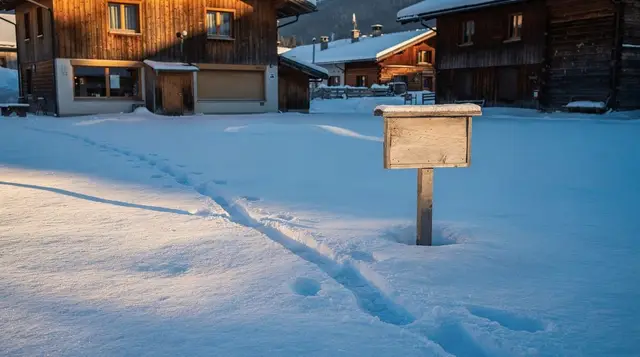
GetYourGuide does not provide a product photo for this activity — the image shows the meeting point, photographed by us.