Where to stay in Rovaniemi: city centre, Santa Claus Village or forest cabins
Where should I stay in Rovaniemi: the city centre, near Santa Claus Village, or a forest cabin?
Rovaniemi splits into three practical bases: the compact walkable city centre, the Santa Claus Village area around 8km north for families focused on that one attraction, and forest cabins or glass igloos further out again for darker skies and aurora viewing, usually with a car or an organised transfer needed. The right choice depends on what fills your days, not on a single night out looking up.
Rovaniemi is small enough that no base is genuinely far from another, but the three zones people actually book into behave very differently once you’re there each morning. This page is about which of those zones suits which kind of trip. It does not cover getting from the airport to your door — that’s in Getting from Rovaniemi airport to town and Santa Claus Village — and it does not break down price by hotel category, which belongs in Rovaniemi trip budget.
Three bases, one trade-off
Almost every accommodation choice in Rovaniemi comes down to the same trade-off: convenience against darkness. The city centre is walkable, cheap to reach and close to everything except a genuinely dark sky. The area around Santa Claus Village, roughly 8km north, trades some of that convenience for proximity to a single attraction. Forest and lakeside cabins, including glass igloo properties, go further still, trading almost all convenience for the low light pollution that makes them worth booking in the first place.
None of the three is objectively correct. A couple doing three nights around the arctic circle and a museum or two wants something different from a family whose whole trip revolves around one morning at the village, which is different again from someone who has booked a glass igloo specifically to lie in bed and watch the sky. Work out which of those three trips you’re actually taking before you look at a map.
The city centre: compact and practical
Rovaniemi’s centre is a grid a few hundred metres across, built after the 1944 reconstruction on Alvar Aalto’s plan, and you can walk from one side to the other in about 15 minutes. Staying here means everything is close: the railway and bus stations, Arktikum, the shops and supermarkets, most restaurants, and the departure points for a large share of organised tours, which pick up from central hotels.
The trade-off is exactly what you’d expect from a town: streetlights. A city-centre hotel is not where you go looking for the aurora on your own. What it is good for is everything else — walking to dinner without a taxi, catching bus 8 out to Santa Claus Village in about 25 minutes, being a short walk from Ounasvaara across the river for short ski or hiking trails, and not needing a rental car at all if your plans stay close to town. For anyone spending just one or two nights, the time saved on transfers is worth more than proximity to any single attraction — see How many days do you need in Rovaniemi? if you’re still deciding how long to stay.
Most aurora-focused visitors who base themselves centrally simply accept that seeing the lights means leaving town for a few hours on a tour, rather than expecting anything from the hotel window. That’s a reasonable compromise, and it’s covered properly in Aurora hunting in Rovaniemi.
The Santa Claus Village area: convenient for one thing
A handful of hotels and cabin-style properties sit close to Santa Claus Village itself, on the northern edge of town near the airport and the official arctic circle line. Staying here shaves the 25-minute bus ride down to a walk, which matters if you want to be at the village gates before the day’s crowds, or if you’re there specifically for Christmas week and want the whole stay to revolve around the village and the post office rather than the town centre. The Santa Claus Village covers what’s actually inside and what costs extra; the village itself is free to enter, but most of what people photograph there is paid.
The catch is that this area is built around one commercial attraction and doesn’t have the density of restaurants, shops or transport links the city centre has. You’re closer to the village and to the airport, further from the museums, the river and most of the evening dining options, and you’ll likely be back on bus 8 or in a taxi for anything else. It suits a short, attraction-focused stay — particularly around Christmas, when December crowds in Rovaniemi is worth reading before you book — much less a longer trip built around several different activities across town.
It’s also not the base to choose for the aurora. The village area sits under its own floodlighting and close to the airport approach, so it shares the city centre’s problem without the city centre’s convenience for everything else.
Forest cabins and glass igloos: dark skies, longer journeys
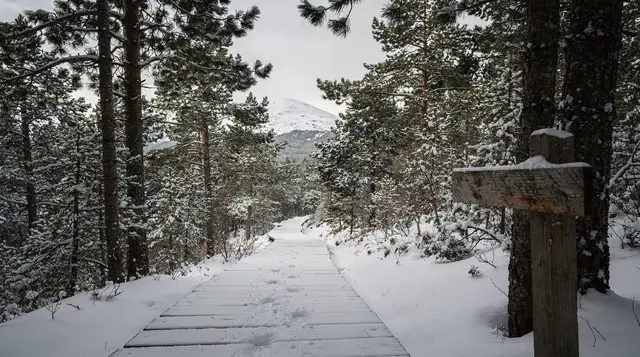
Further out again — in the forest and along the lakes and roads north and east of town, in areas with names like Apukka that most visitors have never heard of before booking — sit the cabins and glass igloo properties built specifically to get away from Rovaniemi’s own light. This is the important point to get right: glass igloos are not a city-centre product. They are positioned deliberately outside town, because the entire appeal is a dark sky over the roof, and a location inside Rovaniemi would defeat that purpose. If a listing shows a glass roof and claims to be walking distance from the centre, read the fine print carefully.
The best-known glass igloo name, Kakslauttanen, isn’t actually near Rovaniemi at all — it sits close to Saariselkä, around 260km and roughly three hours’ drive north. Plenty of visitors book it as part of a longer Lapland trip rather than a Rovaniemi stay specifically. Closer to Rovaniemi itself are smaller cabin and igloo properties in the surrounding forest and lakeside areas, generally somewhere between fifteen minutes and an hour outside town, which is close enough for a night or two without committing to the Saariselkä road trip. Glass igloos in Lapland goes into what you actually see through the glass once you’re lying there, which is not always as much as the brochure photo suggests.
What all of these properties share is limited transport. Public buses don’t reach most forest cabin areas, so you’re relying on a rental car, a property shuttle, or transfers built into a package — check exactly what’s included before booking, because “transfer available” can mean anything from a scheduled shuttle to an expensive on-request taxi. If you’re not renting a car, look specifically for a property that states its transfer arrangements rather than assuming one exists. Driving in Lapland is worth reading first if you are planning to self-drive out to one of these areas after dark.
The upside, when the sky cooperates, is real: no streetlights, often a wide horizon over a lake or clearing, and no need to join a minibus tour to get away from town, because you’re already away from it. The downside is everything else — dinner, daytime activities and any spontaneous change of plan all take longer and usually need a car.
Comparing the three at a glance
| Base | Distance from centre | Best for | Getting around | Main trade-off |
|---|---|---|---|---|
| City centre | — | Short stays, walking, restaurants, mixing activities | Walk, bus 8, tour pickups | No dark sky on-site |
| Santa Claus Village area | ~8km north | Village-focused family trips, Christmas week | Bus 8, taxi, short walk to the village | Limited beyond the village; still light-polluted |
| Forest cabins / glass igloos | 15 minutes to several hours out | Aurora viewing, a quiet night or two | Car, property shuttle or booked transfer | Slow, car-dependent for everything else |
A few practical notes
A common and reasonable compromise is to split a longer trip across two of these bases rather than pick just one: a few nights centrally to cover the museums, the town and day trips without a car, then one or two nights in a forest cabin or glass igloo purely for the sky, timed against the forecast rather than fixed in advance. That keeps the expensive, car-dependent night to a minimum while still giving the aurora attempt the dark sky it needs. 2 days in Rovaniemi: city sights and the Arctic Circle and the longer itineraries on this site are built around roughly that logic.
If you don’t want to rent a car at all, plan around properties and tours that include transport rather than assuming buses will get you there — most forest and lakeside cabins simply aren’t on a bus route, and Rovaniemi without a car: a 3-day no-car itinerary sets out what’s realistically doable without one. For getting between the three zones day to day, whichever base you choose, Getting around Rovaniemi covers the buses, taxis and walking routes in more detail, and How to get to Rovaniemi covers arriving in the first place.
Whichever base you pick, don’t treat a lakeside or forest stay as a guarantee. A northern lights tour built around a night at a lakeside villa still depends on clear skies, the same as any tour departing from a city-centre hotel — it removes the light pollution problem, not the weather one.
For a first night in the area, an arctic winter preparation workshop run from a central hotel is a low-effort way to get properly kitted out before venturing further from town, and if you’re staying out toward the forest cabin areas, an Apukka gold rush outing is the kind of daytime activity that fills the hours between one aurora attempt and the next without needing to drive back into the centre.
Booking early matters more for the smaller forest and glass igloo properties than for city-centre hotels, since there are far fewer rooms and most fill up months ahead for the December to February peak. A central hotel booked a few weeks out is rarely a problem outside Christmas week itself; a specific glass igloo for a specific date usually is.
Frequently asked questions about where to stay in Rovaniemi
Is it better to stay in Rovaniemi city centre or near Santa Claus Village?
The city centre suits anyone who wants to walk to restaurants, the museums and the bus station, with Santa Claus Village a short bus 8 ride away. Staying near the village itself only pays off if that attraction is the main reason for the trip and you want to be first in and last out.
Are the glass igloos in Rovaniemi city centre?
No. Glass igloo properties around Rovaniemi are deliberately built away from town, in forest or lakeside settings chosen for dark skies, not for walkability. That is the point of them, and it means a car, hotel shuttle or booked transfer for anything beyond the property itself.
Do I need a car if I stay in a forest cabin near Rovaniemi?
In most cases, yes, or you need to rely on transfers built into a package. Public buses do not reach most forest and lakeside cabin areas, so check what a property includes for getting into the city centre and to activities before booking.
How far is Santa Claus Village from Rovaniemi city centre?
About 8km, roughly 25 minutes on bus 8, which runs regularly between the railway station, the city centre and the village throughout the day.
Is Kakslauttanen near Rovaniemi?
No. Kakslauttanen sits near Saariselkä, around 260km north of Rovaniemi, closer to three hours’ drive. It is the best-known glass igloo name, but there are smaller glass igloo and cabin properties much closer to Rovaniemi itself if a long drive is not part of the plan.
Can I see the northern lights from a city-centre hotel in Rovaniemi?
Occasionally, on a strong and clear night, but streetlights work against you. Most people staying centrally join a tour that drives out of town for darker sky, rather than relying on what is visible from a hotel window.
Which base works best for a short one or two day stay in Rovaniemi?
The city centre, because it keeps travel time down and puts the airport, the museums and most tour pickup points within easy reach, leaving more of a short trip for activities rather than transfers.
Is it worth paying more to stay in a forest cabin just for the aurora?
Only if you value waking up somewhere dark over convenience for the rest of the day. A forest stay does not guarantee a sighting; it removes one variable, light pollution, while adding others, mainly transport and cost.
Trip-planning essentials on GetYourGuide
Verified deep-linked GetYourGuide tours. Book through these links and we earn a small commission at no cost to you.
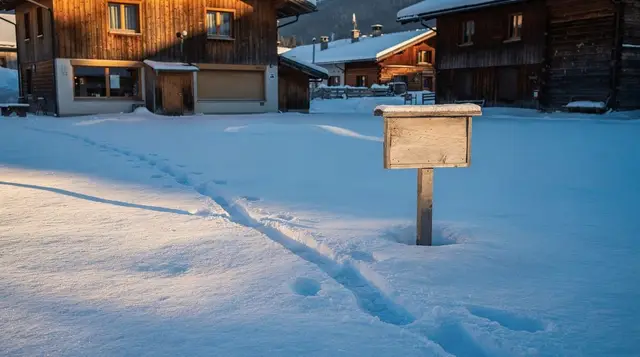
GetYourGuide does not provide a product photo for this activity — the image shows the meeting point, photographed by us.