Finnish sauna etiquette: what actually happens inside
What's the etiquette for a Finnish sauna in Rovaniemi?
Wash before you go in, keep your voice down, and ask about löyly (throwing water on the stones) before doing it yourself. Nudity is the norm between Finns of the same sex in private and public saunas, but swimwear is standard and expected in mixed tourist and hotel saunas, so the rule genuinely changes depending on which room you're in.
A daily habit, not a spa treatment
There are roughly two million saunas in Finland for a population of about 5.5 million people, which means the sauna is closer to a bathroom fixture than a luxury experience. In Rovaniemi and the rest of Finnish Lapland, most apartment buildings have a shared sauna on a rota, many cabins have their own, and workplaces sometimes do too. None of that is aimed at visitors. It’s simply how Finns wash, unwind and end a cold day, and it has been that way for centuries.
Visitors usually meet the sauna in one of three settings, and each one runs on a slightly different set of rules: a private sauna booked through a tour or a rental cabin, a public sauna shared with strangers, and a hotel or tourist sauna designed for mixed groups who don’t know each other. Nothing below is a universal Finnish law. It’s a set of habits that shift depending on which of those three rooms you’re standing in, and getting that distinction right matters more than memorising any single rule.
Wash first, always
The one rule that holds in every sauna in Finland, private or public, rustic or five-star, is that you shower before you go in. Sweat, sunscreen, deodorant and the residue of a day outdoors don’t belong on a bench that other people will sit on next. Most sauna facilities put the shower right at the entrance, sometimes with a small stool and a bar of soap, precisely so nobody skips this step. You shower again afterwards too, usually finishing on a cool or cold setting to bring your body temperature back down gradually.
This isn’t a suggestion aimed at tourists. It’s the baseline hygiene standard that makes shared, communal saunas possible at all, and it’s treated the same way in a farmhouse sauna outside Ranua as it is in a Rovaniemi hotel spa.
Nudity, swimwear, and why the answer depends on the room
This is the etiquette question that trips up most visitors, mostly because the honest answer is “it depends,” not a single rule.
In a private sauna among people of the same sex — family, close friends, a group booked together — nudity is the traditional and expected norm. Swimming trunks in that setting can actually look out of place, like wearing shoes at someone’s kitchen table. This is the setting where the sauna’s original, unselfconscious character survives most intact.
In public saunas with separate sections for men and women, the same nudity norm generally applies within each single-sex space. Municipal swimming halls and some spa facilities in Finland run this way, with a men’s side and a women’s side and nobody wearing anything in either.
In mixed-sex settings — which is what almost every tourist and hotel sauna in and around Rovaniemi actually is — swimwear is standard and expected. Nobody strips down in a mixed group of strangers on a group tour, and no operator running sauna experiences for international visitors expects them to. If you book a sauna add-on through a hotel, a ski resort or most guided experiences, bring or rent a swimsuit and you’ll fit right in.
The practical rule for a visitor: assume swimwear unless you’re specifically told otherwise by a host who knows the group, and watch what the regulars in the room are doing before assuming either way. Nobody will lecture you for asking directly, and asking is far less awkward than guessing wrong.
Löyly: the steam that makes it a sauna
Löyly is the word for the burst of steam that rises when water is thrown onto the hot stones, known as the kiuas. Without löyly, a hot room is just a hot room; with it, the heat becomes something that hits the skin in waves and can be adjusted from one moment to the next. Finns take löyly seriously enough that the word doesn’t translate cleanly into English — it means something closer to “the spirit of the steam” than just “steam” itself.
In a private sauna, whoever is hosting typically controls the ladle and the water, and it’s normal to ask for more or less heat. In a shared or public sauna, this is where etiquette actually matters: adding water raises the temperature for everyone in the room, not just for you, so it’s polite to check with the people around you, especially if the room already feels properly hot. A quiet “may I add more?” is the norm rather than just pouring.
Sit lower on the benches if you want less heat, and higher if you want more — heat rises, so the top bench in a Finnish sauna can be considerably hotter than the bottom one. Traditional saunas sometimes use birch whisks (vihta or vasta) to gently tap the skin, which is meant to improve circulation rather than as a novelty for visitors.
Quiet, unhurried, and not a place for phones
Where a sauna in a Nordic spa chain abroad might play music or pipe in aromatherapy, a Finnish sauna is usually quiet. Loud conversation, laughter that carries, and phones are all out of step with how most Finns use the room. Quiet, low-key conversation among people who already know each other is normal, but plenty of Finns treat sauna time as a period of near-silence, sitting with their own thoughts rather than making small talk.
Phones and cameras belong in the changing room, both as a matter of manners — nobody wants to be photographed undressed or mid-sweat — and as a matter of physics, since the heat and humidity will damage most electronics within minutes. This applies as much in a tourist-oriented sauna as anywhere else; the setting is more relaxed on clothing, not on photography.
Sessions typically run in short rounds rather than one long sitting: perhaps 10 to 15 minutes inside, then a break to cool down outside, in a shower, or by rolling in snow if there’s some nearby, before going back in for another round. Two or three rounds over half an hour to an hour is a normal session. Nobody sits inside the entire time, and stepping out when you’ve had enough is completely ordinary, not a sign that you’ve failed at it.
How often Finns actually use it
This is a genuinely weekly habit for a large share of Finnish households, not an occasional indulgence. A family with a cabin near Rovaniemi or on one of the lakes further north might heat the sauna every Saturday out of routine, use it after a day of skiing or ice fishing, or fire it up simply because the week has been cold and long. Workplaces in Finland sometimes have a sauna for staff, and sauna evenings are a normal way to socialise with colleagues, clients or extended family.
That frequency is worth knowing because it explains the tone of the whole ritual: it’s mundane, in the best sense. Nobody is performing wellness. It’s closer to how someone elsewhere might treat a daily shower or a weekly load of laundry — necessary, familiar, and not remarkable enough to make a fuss about.
Where to actually try it around Rovaniemi
Most visitors won’t get invited into a Finnish family’s private cabin sauna on their first trip, which is exactly what guided sauna experiences exist to bridge. A few honest options:
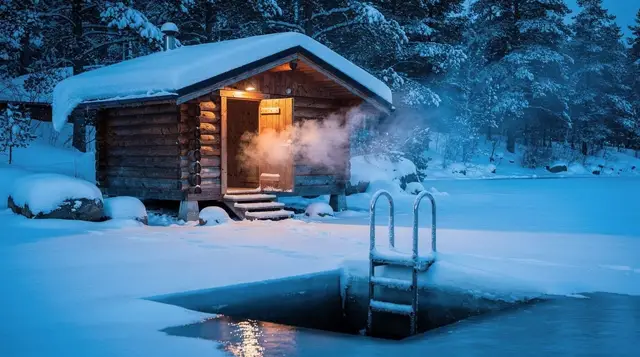
A private traditional Finnish sauna near Rovaniemi is the closest a short visit gets to the real, unhurried version — a proper wood-heated sauna, usually with your own group rather than strangers, away from the city.
For a genuinely different building technique, a traditional Finnish smoke sauna near Ruka uses a savusauna, a chimney-less sauna heated for hours before use and then aired out, giving a softer, smokier heat that predates the modern metal kiuas stove.
Further north, an Inari sauna and jacuzzi experience pairs the heat with a hot tub looking out over the landscape around Inari and Lake Inari, a easier, more spa-like introduction if the traditional version feels like a big first step.
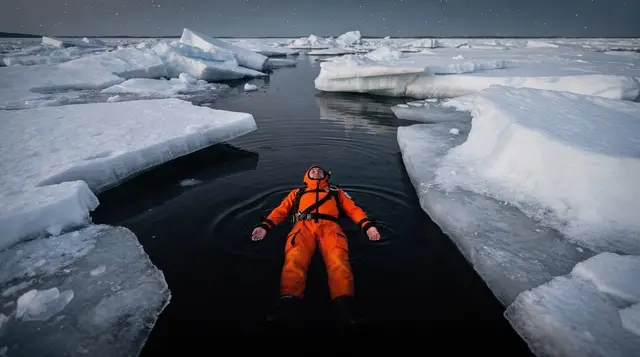
If sauna and a swim in cold water together sound appealing, a traditional Finnish sauna and ice swimming session in Rovaniemi combines both — the etiquette for the cold-water half of that pairing gets its own detailed treatment in the ice swimming after sauna guide, since it comes with its own safety rules that deserve more space than a paragraph here.
And for something quieter and more remote, a private sauna on your own wilderness lake near Ranua sets the whole experience beside water and forest rather than in a building in town, which is arguably closer to how many Finns actually experience it at their own cabins.
None of these tours require you to arrive knowing the etiquette above by heart. Guides are used to explaining the basics to first-timers, and asking a question in the moment is always better than guessing.
Before you go in: what to bring and how to arrive
Packing for a sauna evening is simple, and most of it overlaps with what you already carry in winter. A swimsuit for mixed settings, a towel or two, flip-flops or sandals for the wet floor, and something warm to put on afterwards are the core of it. The three-layer packing system already covers the warm clothing that matters once you step back outside with damp skin. Many tours and hotels lend or rent towels, so ask when you book rather than assuming.
Arrive calm rather than rushed. A sauna is the opposite of a scheduled activity, and the visitors who enjoy it most are the ones who leave the evening open. Drink water beforehand, avoid arriving straight from a heavy meal, and take your jewellery off, since metal gets uncomfortably hot against the skin. If you wear glasses, expect them to fog, and leave them in the changing room if you can see well enough without them.
Reading the room as a first-timer
Etiquette in a sauna is mostly attention. Notice where people sit, whether anyone has laid a towel or a small seat pad on the bench, and whether the room is full or half empty. Sit on a towel or seat cover so that your skin never touches the wood directly, which is a courtesy to the next person and part of the same hygiene logic as showering first. If the bench is busy, shuffle along quietly instead of stepping over people, and close the door promptly so the heat stays in.
Nobody expects a newcomer to be flawless. A polite word to the host, a nod to the people beside you, and a willingness to leave when you’ve had enough will carry you through almost any situation. Finns tend to be more forgiving of a visitor who asks than of one who confidently does the wrong thing.
Comfort, health and knowing when to stop
Heat affects people differently, and the sauna is not a test of endurance. Anyone with a heart condition, low blood pressure, pregnancy or a medical concern should check with a doctor before using one, and the travel insurance guide is worth a read if you are planning a trip with cold-water or hot-room activities. If you feel dizzy, lightheaded or unwell, leave straight away, sit down somewhere cooler and drink water. Alcohol and the hot room do not mix well, as the FAQ above already says, so save the drink for afterwards.
Cooling down is part of the ritual and not an afterthought. Step outside, breathe the cold air, and let your heart rate settle before you go back in. If the cooling includes a plunge into a hole in the ice, read the ice swimming after sauna guide first and never go in alone.
Children, groups and solo visitors
Families often visit the sauna together, and the atmosphere is usually calm and relaxed. If you are travelling with little ones, the guide to Rovaniemi with toddlers and the family activity guide help you plan the rest of the day around a quieter evening. Keep children on the lower benches, where it is cooler, and take them out the moment they seem restless or uncomfortable.
Travelling alone is no obstacle either. A guided or hotel sauna is an easy way to meet other visitors without any pressure to talk, and the solo travel guide covers how to fit evenings like this into a trip on your own. If you would rather keep the experience private, booking a sauna for yourself or your own group avoids most of the questions about dress and noise.
Choosing where to stay with the sauna in mind
If a sauna matters to you, it is worth choosing accommodation with that in mind. Some of the snow and ice hotels in Lapland pair a cold room with a hot one, and a stay in Kakslauttanen or Saariselkä puts a sauna close to the door. A wilderness cabin beside a lake, such as the sort found around Ranua, makes the sauna part of the evening and not a separate outing. The sauna also appears in the cost picture: check the Rovaniemi trip budget when you compare a guided session with a hotel that includes access.
Outside the sauna itself, the surrounding landscape follows its own courtesy. The guide to everyman’s right explains how to behave around a lake or forest cabin, and the cuisine guide is a good companion if you want to plan a meal around the evening.
What this guide doesn’t cover
This page is about the sauna itself: how to behave, what löyly means, and why the nudity question doesn’t have one single answer. It deliberately doesn’t go deep into the cold-water plunge that often follows a sauna session in Rovaniemi and further north — that has its own safety considerations, breathing technique, and etiquette, and is covered properly in the guide to ice swimming after sauna. If a tour or hotel offers both together, read that page before you go, not just this one.
For broader context on Sámi culture, which is a distinct subject from Finnish sauna tradition and shouldn’t be conflated with it, see the guide to Sámi culture and the Siida museum in Inari. For what to eat around a sauna evening — dark rye bread, grilled sausage, cold beer — the Lappish cuisine guide covers the food side of things.
Planning a sauna into your trip
Sauna access is worth building into your schedule rather than treating as an afterthought. Many hotels in and around Rovaniemi include sauna access with a room, sometimes on a shared rota by time slot, sometimes private. The guide to where to stay in Rovaniemi notes which properties include this and which charge extra. If you’re visiting between December and March, when the long dark and the cold make the appeal of a hot room obvious, booking a sauna evening on your first or second night is a reasonable way to recover from the flight and adjust to the temperature.
A three-day classic Lapland itinerary has room for a private sauna evening without crowding out the aurora hunts, husky sledding or a visit to Santa Claus Village that most first-time visitors also want. It doesn’t need to be the headline activity of the trip to be worth doing properly, and getting a handle on the etiquette beforehand means you’ll spend the evening relaxing rather than second-guessing every move.
Quick reference
| Setting | Typical dress | Noise level | Who controls löyly |
|---|---|---|---|
| Private sauna, same-sex group | Nudity is the norm | Quiet to relaxed conversation | The host or whoever is nearest the stove |
| Public sauna, single-sex section | Nudity is the norm | Generally quiet | Shared; ask before adding water |
| Hotel or tourist sauna, mixed group | Swimwear expected | Quiet, minimal conversation | Usually a guide or fixed schedule |
| Cabin or wilderness sauna booked as a tour | Varies; ask the host | Relaxed among your own group | Usually the group decides together |
Treat that table as a starting point, not a rulebook. The person actually running the sauna you’re in — a host, a guide, a hotel spa attendant — is the real authority on the day, and asking them directly is always the safest move.
Sauna & wellness experiences on GetYourGuide
Verified deep-linked GetYourGuide tours. Book through these links and we earn a small commission at no cost to you.
GetYourGuide does not provide a product photo for this activity — the image shows the meeting point, photographed by us.