What to pack for Rovaniemi: the three-layer system
What is the three-layer system for Rovaniemi winters?
A breathable thermal base layer against the skin, a fleece or wool mid layer for insulation, and a windproof, waterproof outer shell on top. Add a warm hat, insulated mittens and waterproof winter boots with a non-slip sole. Most activity operators lend a full thermal suit, boots and mittens for excursions, so you rarely need to buy dedicated extreme-cold gear yourself.
Three layers, not one thick coat
The mistake most first-time visitors make is packing one very thick coat and hoping it covers everything. It doesn’t. A single heavy layer is either too hot when you’re walking around central Rovaniemi at -8°C, or not warm enough when you’re standing still on a lake at -22°C waiting for the sky to do something. The system that actually works in Finnish Lapland is three separate layers that each do one job, so you can add or remove them as your activity and the temperature change through the day.
Base layer against the skin, moves sweat away. Mid layer on top, traps warm air. Outer shell over both, blocks wind and keeps snow out. None of the three needs to be expensive or specialist mountaineering gear — what matters is that each layer does its own job and none of them is cotton.
Base layer: what actually works against skin
The base layer’s only job is to move moisture away from your skin so you stay dry. Merino wool or a synthetic thermal fabric both do this well; cotton does the opposite. Cotton absorbs sweat and holds it against your skin, and once it’s damp it stops insulating and starts cooling you down — which is fine in a warm gym, but a real problem at -20°C standing outside a husky kennel or on a snowmobile safari.
A long-sleeved thermal top and long johns are the core of it. Merino wool has the advantage of not smelling after several days of wear, which matters on a week-long trip when you’re not doing laundry every night. Synthetic thermals dry faster if they do get wet from sweat or snow. Either works; what doesn’t work is a plain cotton T-shirt under your jumper.
Base-layer socks matter as much as the top. A thin liner sock in wool or synthetic, worn under a thicker wool sock, reduces friction and wicks moisture better than one thick pair alone — useful advice if you’re spending hours in rented snowmobile or activity boots.
Mid layer: insulation without bulk
The mid layer traps the warm air your body generates. A fleece jacket or a wool jumper both work; down is warmer for the weight but performs badly if it gets wet, which is a real risk in Lapland’s snow. For most trips, one solid fleece or wool mid layer is enough; on the coldest days, or if you feel the cold easily, a second thinner layer underneath it adds warmth without much bulk.
This is also the layer to think about doubling for evenings out hunting the northern lights, when you’ll be standing still outdoors for hours rather than moving. A tour typically runs four to six hours, often from 8pm to past midnight, with long stretches where nobody is walking anywhere — see our aurora hunting guide for what a typical night actually involves. Standing still loses heat far faster than walking, so this is where an extra mid layer earns its place in the bag.
Outer layer: wind and waterproofing
The outer shell’s job is to stop wind and keep snow and damp out — it isn’t primarily for warmth, that’s what the mid layer is for. Look for a jacket and trousers rated windproof and waterproof (not just water-resistant), ideally with a hood that fits over a hat, cuffs that seal at the wrist, and enough room to move a mid layer underneath without feeling restricted.
Wind is the variable that changes everything in Lapland. A still -20°C is very manageable in three layers; the same temperature with a stiff wind coming off the Kemijoki river or across an open fell cuts straight through anything that isn’t properly wind-blocking. If you’re planning to hike near Ounasvaara or further out toward the Pyhä-Luosto fells, treat a genuinely windproof shell as non-negotiable rather than optional.
Trousers matter as much as the jacket. Salopette-style snow trousers with braces keep snow out at the waist far better than a jacket-and-trousers combination with a gap between them, which is exactly where cold air and snow gets in when you sit down on a sled or kneel to check a camera tripod.
Head, hands and feet: the details that end a day early
Most heat loss on a cold day happens through the extremities, and it’s usually cold fingers, toes or ears that send people back inside early — not a cold torso.
A proper winter hat that covers the ears is essential; a thin fashion beanie isn’t enough below -15°C. A buff or neck gaiter that can be pulled up over the nose and mouth helps on windy days and during activities like snowmobiling, where wind chill at speed is far worse than the standing air temperature.
For hands, a thin liner glove under a thicker insulated mitten works better than one thick glove: you can pull the mitten off briefly to operate a phone or camera without exposing bare skin to -20°C air, then put it straight back on. Mittens are warmer than gloves with individual fingers, because fingers share warmth when they’re together rather than each losing heat separately.
Feet need a genuinely cold-rated winter boot with a thick insulated sole and deep, non-slip tread — Rovaniemi’s pavements pack down to sheet ice for months, and a boot bought for a mild European winter usually isn’t warm enough or grippy enough for temperatures down to -25°C or lower. If you’re only in Lapland for a few days and don’t want to invest in dedicated winter boots, this is one item worth checking your activity operator can supply, since several do for snow-heavy excursions.
What operators actually lend you
This is the detail that changes most visitors’ packing lists once they know it: for the great majority of bookable winter activities around Rovaniemi — husky sledding, reindeer sleigh rides, snowmobile safaris, most aurora tours — the operator supplies a full thermal overall, insulated boots and mittens as standard, included in the price. You typically layer your own base and mid layers underneath, then step into gear the operator hands you at the start of the excursion.
That means the expensive, bulky items — a head-to-toe insulated snowsuit rated for -30°C, heavy snow boots, thick technical mittens — are usually gear you don’t need to buy or pack for yourself, provided your itinerary is built around guided activities rather than long stretches of independent time outdoors. It’s worth confirming what’s included when you book rather than assuming, since coverage varies by operator and activity type, but as a general rule: bring your own layers, let the excursion supply the outer protection.
A guided arctic winter preparation workshop with a drink is one practical way to get this sorted on day one — a short session that runs through proper cold-weather layering and hands you a warm drink while you’re at it — useful if you’d rather have someone check your kit in person than guess from a packing list. It’s a sensible first booking if you’re arriving underdressed and have a week of husky, reindeer and snowmobile excursions ahead of you.
Multi-activity days built around several excursions, such as a bucket-list day covering several signature Lapland activities back to back, generally include the same gear loans for each stop, so you’re not swapping thermal suits between operators — worth checking at booking, but standard practice across most Rovaniemi-area companies. The same applies to shorter outings: a 5km husky ride and kennel tour typically supplies a thermal suit and boots for the sledding portion, even though it only runs a couple of hours.
What to pack, by temperature range
| Conditions | Base layer | Mid layer | Outer layer | Extras |
|---|---|---|---|---|
| -5°C to -10°C, city walking | One thermal top and leggings | Fleece or wool jumper | Windproof, water-resistant jacket | Warm hat, gloves, wool socks |
| -10°C to -20°C, day trips | Merino or synthetic thermals | Fleece plus optional second thin layer | Windproof, waterproof jacket and trousers | Insulated mittens over liner gloves, neck gaiter |
| -20°C to -25°C and below, evening aurora tours | Full thermal set, top and bottom | Fleece plus thicker mid layer | Operator-supplied thermal overall, worn over your own layers | Hand and toe warmers, buff over the face, spare dry socks |
Layering for movement versus standing still
The same three layers need adjusting depending on what you’re actually doing. Walking briskly around Rovaniemi’s compact centre, or on a snowshoeing or cross-country skiing outing, generates real body heat — overdressing here means sweating into your base layer, which then cools you down once you stop. Unzip the outer shell, or pull the mid layer off and carry it, once you’re moving steadily.
Standing still is the opposite problem, and it’s the one people underestimate. A four-to-six-hour aurora tour, an evening of ice fishing, or riding as a passenger on a dog sled all involve long stretches with almost no movement, and you get cold faster than the thermometer suggests. This is where the extra mid layer, hand warmers, and a proper hat and mittens matter most — pack for the sitting-still parts of your trip, not just the walking-around parts.
Adjusting for the season
Pack differently depending on when you’re travelling — see our month-by-month guide to Rovaniemi for a fuller seasonal breakdown. Deep winter, December through March, is when the full three-layer system with an operator-supplied overall for activities makes the most sense.
Shoulder-season trips in late autumn or early spring, when temperatures hover closer to freezing than to -25°C, generally call for the same base and mid layers but a lighter outer shell, and you’ll rely less on operator-lent overalls since the coldest gear isn’t necessary. Whatever the season, checking current conditions before you pack — rather than assuming from the calendar alone — avoids both over-packing and under-packing; see our guide to Rovaniemi’s winter and kaamos season for what to expect month by month.
If you’re driving yourself between destinations rather than joining guided excursions, pack an extra layer to keep in the car regardless of season — see driving in Lapland for the practical side of winter driving, since a breakdown or a stop to watch reindeer cross the road can leave you outside longer than planned.
Packing and layering: common questions
Do I need to buy a proper winter expedition suit before I arrive?
No. Almost every husky, reindeer, snowmobile and aurora operator in the Rovaniemi area lends a full thermal overall, insulated boots and mittens as part of the activity. Buying an expedition-grade suit for a week’s trip is an unnecessary expense for most visitors.
Is cotton really that bad in Lapland?
Yes. Cotton holds moisture against the skin rather than moving it away, so once you sweat or the fabric gets damp from snow, it stops insulating and cools you down. Merino wool or synthetic base layers keep working even when they’re a little damp.
What temperature range should my packing list cover?
Plan for anywhere between -5°C and -25°C from December to March, with occasional dips below -30°C. Layers let you adjust for a single trip that might include a mild, damp day in the city and a still, clear -25°C night out chasing the aurora.
Can I get away with normal winter boots from home?
It depends on the boot. You need a boot rated for genuinely cold temperatures, with a thick insulated sole and deep tread for icy pavements, not a fashion boot rated for a mild European winter. If in doubt, budget for one proper pair rather than layering thin socks inside an inadequate boot.
Do children need different gear to adults?
The same three-layer principle applies, but children lose heat faster and won’t always tell you they’re cold, so err on the warmer side and check hands, feet and cheeks regularly. See our separate guide on dressing a child for -25°C for sizing and layering specifics.
What should I actually buy versus rent or borrow in Rovaniemi?
Buy or bring your own base and mid layers, a warm hat, liner gloves and good socks, since these touch your skin and fit is personal. Boots are worth owning if your trip is longer than a couple of days. Leave the heavy thermal overalls, insulated mittens and snowmobile boots to the operators, who supply them for most bookable activities.
Will I overheat if I’m walking around rather than sitting still?
Yes, easily. Layers work because you can add or remove them: unzip the outer shell or pull off the mid layer once you’re walking briskly around central Rovaniemi, and put them back on the moment you stop, whether that’s for photos, a husky sled ride, or standing outside waiting for the aurora.
Trip-planning essentials on GetYourGuide
Verified deep-linked GetYourGuide tours. Book through these links and we earn a small commission at no cost to you.
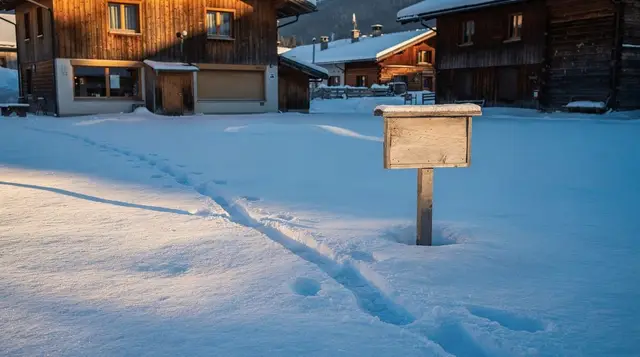
GetYourGuide does not provide a product photo for this activity — the image shows the meeting point, photographed by us.