Travel insurance for a Lapland winter trip
Does standard travel insurance cover snowmobiling and dog sledding in Lapland?
Most standard travel insurance policies exclude snowmobiling, dog sledding as a driver, and other listed risk activities unless you add a winter sports or risk-activity extension. Check the policy wording for named exclusions, and make sure it also covers mountain or search-and-rescue evacuation, since Lapland's distances make repatriation slow and expensive without cover.
What a Lapland winter actually asks of your insurance
A city-break travel policy bought in five minutes at the airport is built for lost luggage and a stomach bug, not for a snowmobile rollover 40 km from the nearest road or a fall on ice at -20°C. Rovaniemi and the wider region push at exactly the exclusions most standard policies carry: named risk activities, remote-area rescue, and weather that can strand a group for hours.
None of this means winter Lapland is dangerous in the way an extreme sports trip is dangerous — most visits pass without incident — but the combination of cold, ice, distance and activities like snowmobiling means the gap between “covered” and “not covered” is wider than on a typical holiday, and it is worth closing before you fly rather than after something goes wrong.
This page is about the insurance itself: what to check, what standard policies tend to exclude, and what the EHIC or GHIC does and does not do in Finland. It does not cover phone and data connectivity — for that, see eSIM and connectivity in Lapland.
Buy the policy only after your Rovaniemi activities are decided, so you can ask the insurer whether a snowmobile ride or a night on the ice is actually written into the cover. Read the excess before you pay, since a small claim after a fall at -20°C can cost more than it returns, and keep the policy document on your phone for the trip. With those questions in hand, you can look at insurance options on EKTA for Finland.
Read the activities list, not the marketing copy
Every travel insurance policy carries a list of named activities, usually tucked into a policy schedule or an online activities checker. The word “adventure” on the box means little; the list is what pays out. For a Lapland trip, check the policy specifically against:
- Snowmobiling, both as a driver and as a passenger
- Driving your own dog sled team, as distinct from riding as a passenger — see driving versus riding a dog sled
- Cross-country skiing and snowshoeing off marked trails
- Ice climbing, ice karting or ice driving experiences
- Ice fishing and ice floating in a survival suit
- Downhill skiing at a resort such as Levi, Ylläs, Ruka or Pyhä
A policy that covers “winter sports” by default sometimes means downhill skiing at a resort and nothing else. Snowmobiling in particular is very commonly excluded from the base policy and sold as a separate risk-activity or winter-sports extension, sometimes at extra cost, sometimes with a lower payout cap than the rest of the policy. If a tour operator’s own booking page asks you to confirm you hold suitable insurance, that is your cue to check, not a formality to click past.
a short cold-weather preparation session covering clothing and gear before you head out is a useful first stop if you are unsure what a day in the cold actually involves before you commit to a policy tier — it makes the risk concrete rather than abstract.
Snowmobiling: the exclusion that catches people out most often
Snowmobiling deserves its own section because it is the single activity most likely to sit outside a standard policy, and the one most visitors to Rovaniemi actually book. Two details matter beyond the basic exclusion:
Driver versus passenger. Riding as a passenger behind a guide is sometimes covered under a standard or lightly-upgraded policy. Taking the controls yourself is a different risk category to most insurers, and it is the more common way visitors experience a snowmobile in Lapland — a valid driving licence is required to drive one yourself, and most tour pricing assumes two people sharing a machine, with a single-driver supplement charged if you ride alone. Confirm cover for both roles, not just one.
Speed and route type. Some policies distinguish between a guided safari on a marked trail and an unguided or off-trail ride, with the latter sometimes excluded even under a winter-sports add-on. A guided safari with a licensed local operator is the far more common — and far safer — way to try a snowmobile in any case.
a private guided snowmobile outing in the Pyhätunturi area is one way to try it with a guide setting the pace, which is also the version of the activity most policies are built to cover once the right extension is in place.
Dog sledding, ice activities and other named risks
Dog sledding sits in a similar position to snowmobiling: riding as a passenger in the sled is often treated more leniently than driving your own team, which most operators only offer to older teenagers and adults, with an adult riding along in the sled. Either way, ask the specific question of your insurer rather than assuming “dog sledding” as a single line covers both roles — and note that most sled outings, whichever role you take, run to a set tour duration rather than an open-ended booking, which matters if you are also checking cancellation terms.
Other activities worth naming specifically when you call or check online:
| Activity | Typical treatment on standard policies |
|---|---|
| Dog sled, passenger | Often included as standard |
| Dog sled, driving your own team | Frequently needs a risk-activity extension |
| Snowmobile, passenger | Sometimes included, sometimes excluded — check |
| Snowmobile, driving | Very commonly excluded without an extension |
| Cross-country skiing on marked trails | Usually included |
| Off-piste skiing or snowshoeing away from marked routes | Often excluded |
| Ice fishing, ice floating | Usually included as low-risk, but confirm |
| Ice climbing | Frequently needs a risk-activity extension |
| Downhill skiing at a resort | Usually included under “winter sports” |
Treat this table as a starting point for questions to your own insurer, not as a guarantee — wording varies by provider and changes from year to year.
Cold-weather injury and rescue: the cover that matters most
The activity itself is rarely the biggest financial risk; getting an injured person out of a remote area and home again is. Two figures are worth finding in the policy document before you buy:
Emergency medical evacuation. This covers moving you from where an accident happens — a fell trail, a frozen lake, a road well outside Rovaniemi — to a hospital equipped to treat you. In parts of Lapland this can mean an air ambulance rather than a road transfer, and it is not cheap. A low fixed sum (some low-cost policies cap this in the low tens of thousands of euros) can fall well short of the real cost.
Repatriation. This is the separate cost of getting you home once you are stable, which is not automatically included even where evacuation is. Look for repatriation cover in the hundreds of thousands of euros on any policy you are relying on for a winter activity trip, and check whether it includes flying a companion home with you if you are travelling with family.
Cold-specific injuries worth knowing the terms for: frostbite to fingers, toes, ears and cheeks, and fractures from a fall on ice, both of which are common enough in a Lapland winter that “accident and injury while engaging in a listed activity” is the exact clause you are relying on. If you are travelling with young children, it is also worth checking that the policy’s activity list matches what you actually plan to do together, since a family itinerary often looks different from a solo one — packing and clothing for the cold itself is covered separately in the three-layer system guide, but no clothing substitutes for evacuation cover if something goes wrong.
The EHIC and GHIC: useful, but not enough
Finland is a member of the European Union and part of the Schengen area, and it takes part in the EU’s reciprocal healthcare arrangements. An EHIC for EU nationals, or a UK Global Health Insurance Card for British nationals under the post-Brexit arrangement, entitles eligible holders to state-provided medical treatment in Finland on the same terms as a Finnish resident — meaning the same co-payments a local would pay, not free treatment, and not private care.
What it covers: necessary treatment at a public Finnish clinic or hospital, at resident rates.
What it does not cover, and where travel insurance has to step in:
- Mountain, wilderness or air rescue to get you to that clinic in the first place
- Repatriation to your home country
- Treatment at a private clinic, which is sometimes the more practical option outside Rovaniemi itself
- Any cost related to a cancelled or curtailed trip, lost gear, or a missed connection
- Cover for non-EU/EEA nationals, who have no EHIC or GHIC entitlement in Finland at all and rely on travel insurance for the full cost of any treatment
Carry the EHIC or GHIC as a genuine, free supplement — it can meaningfully reduce a claim — but never treat it as a reason to skip or downgrade travel insurance for a winter activity trip.
Weather delays and cancellations: what is realistically covered
Polar weather causes two different kinds of disruption, and policies treat them differently.
Transport delay. Snow, ice or a storm can delay or cancel flights into Rovaniemi Airport, or hold up the night train from Helsinki. Most policies with a delay or cancellation section pay out only past a minimum threshold, commonly 12 hours, and require documentation from the airline or operator confirming the reason and length of delay.
A tour that does not deliver the northern lights. This is not a weather cancellation in the insurance sense. A northern lights tour that runs as planned but under cloud cover, with no aurora visible, is not a claimable event — that risk belongs to the honest disclosure any decent operator gives you (see how “guaranteed” tours actually work), not to your insurance policy. Insurance responds to the tour being cancelled or unable to run, not to the phenomenon failing to appear on a tour that did run.
If you are driving yourself, winter road conditions and reindeer or elk on the road are a genuine cause of delay and, occasionally, of a claim — report any collision to the police, as Finnish law requires, since your insurer will ask for that report.
A pre-departure checklist
Before you buy, work through this in order:
- List every activity you are likely to book — snowmobiling, dog sledding (as driver or passenger), ice fishing, skiing — and check each by name against the policy’s activities list or online checker.
- Confirm the emergency medical evacuation and repatriation limits specifically, not just the headline “medical cover” figure.
- Check the excess (deductible) on any risk-activity claim — it is sometimes higher than the policy’s standard excess.
- Note the delay threshold for weather-related transport claims.
- Declare any relevant medical condition honestly, including ones that could be affected by sustained cold.
- If eligible, carry an EHIC or GHIC alongside the policy, not instead of it.
- Buy before you pay for non-refundable flights or accommodation, so cancellation cover applies from the start.
Budgeting for winter activities and the insurance that should sit around them is easier once you have a sense of realistic daily costs — see the Rovaniemi trip budget guide — and it is worth reading how Rovaniemi’s winter and kaamos season actually behaves month to month, since a policy bought for a December trip and one bought for a March trip are answering slightly different questions about ice, daylight and road conditions.
A note on cheap policies and genuine risk
The cheapest travel insurance you can find is very often the one built for a beach holiday, resold with a winter label and a narrower activities list than it appears to have. This is the same instinct worth applying to tourist traps and inflated December pricing generally: a low headline price that excludes the exact activity you are going to Lapland for is not a saving. A policy with a clearly stated risk-activity extension, a realistic evacuation limit, and named cover for snowmobiling and dog sledding as a driver will usually cost more than the cheapest option on a comparison site — and it is the one actually built for this trip.
If your itinerary includes several activities across one visit — for instance a full-day outing combining several classic Rovaniemi winter experiences in one booking or a family-oriented snowmobile outing further north such as a guided family snowmobile safari near Levi — check the policy against the whole list at once rather than activity by activity, since insurers sometimes cover one named risk activity but not a second on the same policy tier. If in doubt, a short call to the insurer before you book beats a claim after the fact, every time.
Travel insurance for Lapland: your questions answered
Does the European Health Insurance Card (EHIC) or UK GHIC cover me in Finland?
Finland is in the EU and in Schengen, so an EHIC or a UK GHIC gives eligible holders access to state-provided medical treatment on the same terms as a Finnish resident. It does not cover mountain or air rescue, transport to a better-equipped hospital, repatriation home, cancelled tours, lost gear, or any private clinic. It is a supplement to travel insurance, never a substitute for it.
Do I need a separate winter sports or risk-activity extension?
Almost always, yes. Snowmobiling, driving your own dog sled, off-piste snowshoeing and ice climbing are commonly listed as excluded activities on standard policies unless a winter sports or risk-activity add-on is purchased. Read the named activities list rather than trusting a general phrase like “adventure activities included”.
Is riding as a passenger different from driving a snowmobile or dog sled?
On many policies, yes. Riding as a passenger behind a guide is sometimes covered under standard terms, while taking the controls yourself, whether on a snowmobile or driving your own dog sled, more often triggers the risk-activity exclusion. Confirm both scenarios separately with your insurer before booking.
Does travel insurance cover flight delays or tour cancellations caused by polar weather?
Weather-related delay and cancellation cover exists on most mid-tier and higher policies, but it usually has a minimum delay threshold (commonly 12 hours) before a claim applies, and it will not reimburse a northern lights tour that simply saw cloud cover, since that is not classed as a cancellation.
What happens if I’m injured on ice or from the cold and need to get home?
This is the cover worth checking most carefully. Look specifically for emergency medical evacuation and repatriation limits, ideally in the hundreds of thousands of euros rather than a low fixed sum, since a helicopter or air ambulance transfer from a remote fell area is expensive and the nearest specialist hospital may be hours away by road.
Do pre-existing conditions or age change what I need for a cold-weather trip?
Circulatory conditions, diabetes and respiratory conditions can all be affected by sustained cold, so declare them accurately when you buy the policy rather than after a claim. Some insurers apply age limits or extra premiums for risk-activity extensions, so it is worth comparing two or three providers rather than taking the first quote.
When should I buy the insurance, and does it matter if I book activities later?
Buy it as soon as you book non-refundable flights or accommodation, since cancellation cover only applies to costs paid after the policy starts. If you plan to add a snowmobile safari or a driving dog-sled tour once you arrive, buy the risk-activity extension before you book that tour, not after.
Trip-planning essentials on GetYourGuide
Verified deep-linked GetYourGuide tours. Book through these links and we earn a small commission at no cost to you.
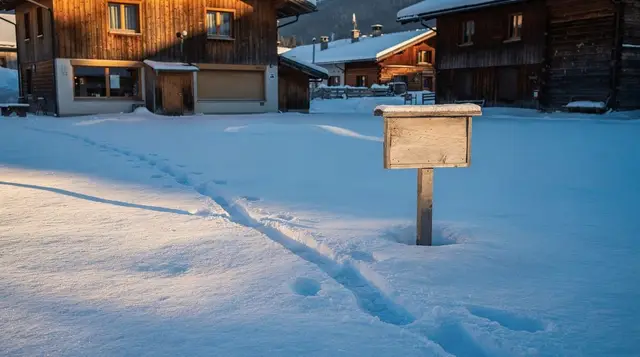
GetYourGuide does not provide a product photo for this activity — the image shows the meeting point, photographed by us.