Scams and tourist traps in Rovaniemi: what to watch for
What are the most common tourist traps and scams in Rovaniemi?
The recurring problems are unlicensed street-corner tour sellers with no insurance or comeback if a trip is cancelled, Santa Claus Village photographers who don't state a price until after the shutter clicks, and souvenir shops selling generic reindeer-skin hats and 'Lapp' costumes as if they were authentic Sámi dress. Booking activities in advance through an established platform, and asking direct questions before you hand over cash, avoids nearly all of it.
Most visitors to Rovaniemi don’t get scammed outright — they get quietly overcharged, undersold, or sold something that isn’t what it claimed to be. The distinction matters, because none of the patterns below involve anything as dramatic as fake tickets or stolen cards. They’re smaller and more common than that: a street seller with no paperwork, a photographer who names the price only after you’ve smiled for the camera, a souvenir sold as “traditional Lapp dress” that has nothing to do with the people who actually live here. This page covers the specific traps worth knowing before you hand over cash, not general budgeting, which is covered separately.
Street-corner tour touts: no licence, no insurance, no recourse
Around the Santa Claus Village car park and occasionally in central Rovaniemi, you may be approached by someone offering a same-day husky ride, snowmobile trip or “authentic Lapland experience” for cash, on the spot, cheaper than the operators with a shopfront or a booking page. Sometimes this is a genuine small operator undercutting the market. Often it is a reseller with no direct relationship to the kennel or snowmobile fleet actually doing the work, taking a cut and leaving you with nothing in writing.
The practical problem isn’t that these trips are always bad — many run without incident — it’s what happens when something goes wrong. If the weather cancels the trip, if the group is twice the size you were told, or if you’re simply left waiting at a meeting point that doesn’t exist, a cash transaction with no name, no confirmation email and no company registration gives you nothing to act on. A tour booked through an established platform comes with a confirmed price, a cancellation policy, and a paper trail that puts you in a much stronger position if the trip doesn’t happen as sold.
This applies as much to winter activities as to summer ones. A snowmobile safari booked on the spot might turn out to be a single-driver ride at a group price, or a “full day” that’s barely two hours; booking a full-day snowmobile adventure in advance means you know the duration and the per-person or per-machine pricing before you commit — you can compare it against what’s listed rather than trusting whatever figure is quoted to you standing in the snow. Whichever driving package you’re weighing, ask specifically whether you’re paying single or double occupancy, since that’s the single detail street sellers most often leave vague.
a full-day guided snowmobile safari with the route and pricing confirmed before you goThe same logic applies to husky and reindeer outings, aurora hunts, and picnic-style evening trips: knowing the price, duration and inclusions in advance is the whole point of booking ahead, and it’s the one thing a street pitch can’t offer you.
Santa photos: the price nobody mentions until the shutter clicks
Entry to Santa Claus Village is free, and it’s worth saying clearly: you can walk the whole site, browse the shops, cross the arctic circle line and queue to meet Santa without spending anything. What you pay for is everything that happens once you’re inside the meeting room, and this is where the pattern that catches people out plays out almost every time.
You’re shown in, photographed by the house photographer, and only afterwards shown a price board or told a figure for the prints. By then you’ve already had the moment with your children and Santa, and walking away without buying anything feels like a worse option than it should. The photographer isn’t doing anything illegal — the price is technically posted somewhere in the room — but the sequence is designed so you decide after the fact rather than before it. Packages typically bundle a printed photo with a digital copy and sometimes a frame, and the bundled price runs well above what a single print alone would cost.
The honest way to handle this: ask the price of a single printed photo before you go in, decide your ceiling, and treat anything above it as an upsell you’re free to decline. The full cost breakdown for meeting Santa covers what’s normal to pay and what isn’t.
Two related add-ons work on a similar model and are worth knowing about ahead of time rather than at the counter: the Santa Claus Post Office stamp, which is genuinely cheap and worth doing, and the arctic circle crossing certificate, which is a paid souvenir, not a document you need. SantaPark, the underground attraction near the village, is a separate paid venue with its own entry fee — it is not part of the free village and shouldn’t be confused with it when you’re weighing what a day will cost.
”Sámi” costumes and souvenirs that aren’t Sámi at all
This is the trap that does the most quiet damage, because it isn’t really about money. Souvenir shops around Rovaniemi and Santa Claus Village sell reindeer-skin hats, felt “Lapp” waistcoats, and plastic four-winds caps as though they were traditional dress from this region. They are costume-shop products, made for tourists to put on for a photo, with no connection to the Sámi people whose actual traditional clothing, the gákti, carries patterns specific to a family and a home area and is not something anyone wears as fancy dress.
Two things are worth being precise about. First, the word: the correct term is Sámi, not “Lapp” or “Laplander” for people — that word is rejected by the community it describes, even though “Lapland” remains the accepted name for the region itself. Second, the product: an item marketed as “authentic Lapp costume” in a souvenir shop is, with very rare exceptions, generic novelty clothing, and buying it as a genuine piece of Sámi culture is a misunderstanding the shop has no interest in correcting.
None of this means avoid Sámi culture — it means look for it in the right place. Siida, the Sámi museum in Inari, is the real reference point, rebuilt in 2022, and a far more honest way to engage with the culture than a costume rental in central Rovaniemi. If you do want to buy something, our guide to what to avoid when buying Sámi-linked souvenirs covers how to tell mass-produced novelty from genuinely made craft, and the explainer on Sámi culture is worth reading before either the shop or the museum.
Why “guaranteed” northern lights tours aren’t a promise of anything in the sky
“Guaranteed northern lights tour” is a phrase you’ll see on posters and websites across the city, and it’s worth understanding exactly what it means before you book on the strength of it. It refers to the operator’s policy — usually a free repeat trip or partial refund if you don’t see an aurora — not to the aurora itself.
No tour, however it’s marketed, controls cloud cover or geomagnetic activity, and any operator implying otherwise is overselling what they can deliver. The full mechanics are in our guide to how guaranteed tours actually work, and the wider picture of what a realistic hunt looks like is in the aurora hunting guide for Rovaniemi.
This matters for street-sold trips specifically because a guarantee is only worth anything if there’s someone to hold to it. A verbal “guaranteed, don’t worry” from a seller with no booking reference is not the same as a written policy from an operator you can follow up with the next day.
a private aurora hunt with a confirmed pickup, a written cancellation policy, and a guide who knows the current cloud forecastBook ahead, not on the pavement
The single most useful habit for avoiding most of what’s on this page is booking activities before you arrive, rather than deciding on the spot. It isn’t about paying more or less — street prices are sometimes lower — it’s about what you can do if something goes wrong.
| Factor | Street or walk-up seller | Booked in advance through a platform |
|---|---|---|
| Price stated upfront | Often verbal only, room to change | Fixed and written down before payment |
| Insurance and licensing | Unverifiable on the spot | Checked by the platform before listing |
| Cancellation if weather or dogs are unfit | No formal policy | Stated terms, usually refund or reschedule |
| Recourse if the trip doesn’t happen | Word against word | Booking reference, support contact, possible chargeback |
| Group size as advertised | Take their word for it | Usually specified in the listing |
This applies to husky and reindeer outings as much as to aurora hunts and snowmobiling. A short taster ride booked on paper is easy to compare against what’s actually delivered; one arranged verbally at a kennel gate is not.
a short husky and reindeer taster ride with the distance and duration set out before you payIf your priority is the evening itself rather than any single activity, an evening built around a fire, food and a genuine wait for the sky to clear is usually sold honestly precisely because there’s little to oversell — you know what you’re getting.
an evening picnic by the fire away from town lights, with the aurora as a possibility rather than a promiseBefore handing money to anyone offering husky, reindeer or dog-related experiences, whether street-sold or booked, it’s worth reading the questions worth asking about husky welfare — a legitimate operator will answer them without hesitation, and a fly-by-night reseller usually can’t.
Other patterns worth watching for
A handful of smaller traps round out the list, none of them dramatic on their own:
- Restaurant menus near the main tourist routes sometimes carry a noticeably higher price for the same dish you’d find a few streets away, aimed squarely at visitors who won’t be back to compare. The guide to tourist-trap restaurants covers where this happens and how to spot it from the menu alone.
- “Reindeer driving licences” issued at some farms are a printed souvenir, not a real permit — fun to bring home, but don’t mistake it for a credential.
- December price spikes on everything from taxis to activity add-ons are real and worth planning around rather than treating as a scam in themselves; see what December crowding actually does to prices.
- Unmarked cars touting for airport rides inside or just outside the terminal building are best avoided in favour of the licensed taxi rank or bus 8 into the centre.
- “Free” northern lights alerts or photo apps that ask for payment details to “confirm” a booking you never made are a red flag regardless of how official the branding looks — a genuine tour operator will never need your card number to send you a weather update.
None of these are unique to Rovaniemi, and none of them should put you off visiting. They’re the same handful of patterns that show up in most tourist towns, and being able to name them in advance is most of the defence you need.
Scams and tourist traps in Rovaniemi: your questions answered
Is it safe to book a husky or snowmobile tour from a street seller?
It can work out fine, but you’re trusting a stranger’s word on insurance, group size and what happens if the weather or the dogs make the trip unworkable. A booking made in advance with a named operator comes with terms, a confirmed price and someone to complain to; a cash handshake on the pavement usually doesn’t.
How much should a photo with Santa Claus actually cost?
There’s no fixed figure, but the pattern to watch for is the same everywhere: you’re photographed first and told the price afterwards, then offered a bundle of prints, a digital file and a frame that costs several times the base print. Ask what a single printed photo costs before you sit down, not after.
Are the reindeer-skin hats and “Lapp” costumes sold in souvenir shops really Sámi?
Almost never. Genuine Sámi dress, the gákti, carries patterns that identify a specific family and region and is not something made for tourists to wear for a photo. Shops selling generic fur hats, joik CDs and mass-produced “Lapp” outfits are selling costume, not culture — and “Lapp” itself is a word Sámi people reject; the correct term is Sámi.
What does a “guaranteed” northern lights tour actually guarantee?
It guarantees a refund or a repeat trip if the aurora doesn’t show, not the aurora itself. No operator, however well marketed, controls cloud cover or geomagnetic activity, so treat “guaranteed” as a booking-policy term rather than a promise of what you’ll see in the sky.
Is entry to Santa Claus Village really free?
Yes — walking around the village, the shops and the arctic circle line itself costs nothing. What you pay for is everything inside it: the photo with Santa, the passport stamp, the certificate, and any paid activity you add on, so a family can spend very little or a great deal depending on what’s added at the counter.
How can I tell if a tour operator is legitimate before I pay?
Check that the price, cancellation terms and what’s included are written down before you pay, not promised verbally. An operator listed on an established booking platform has already been vetted for insurance and identity; a seller with a folding table and a laminated photo on a street corner has not.
What should I do if I’ve already paid for something that turned out to be a scam?
If you paid by card, contact your bank about a chargeback and keep any receipt, photo of the seller’s pitch or confirmation message as evidence. If it happened inside Santa Claus Village or another managed site, report it to the venue’s own customer service, since they do act on repeated complaints about traders using their name.
Are taxis and transfers from Rovaniemi Airport a common rip-off?
Licensed Finnish taxis run on the meter and aren’t a scam risk in the way street tour sellers are, but they are not cheap, and unmarked cars offering rides inside the terminal should be avoided. Bus 8 and pre-booked shuttle transfers are the reliable, cheaper way into the centre or to Santa Claus Village.
Trip-planning essentials on GetYourGuide
Verified deep-linked GetYourGuide tours. Book through these links and we earn a small commission at no cost to you.
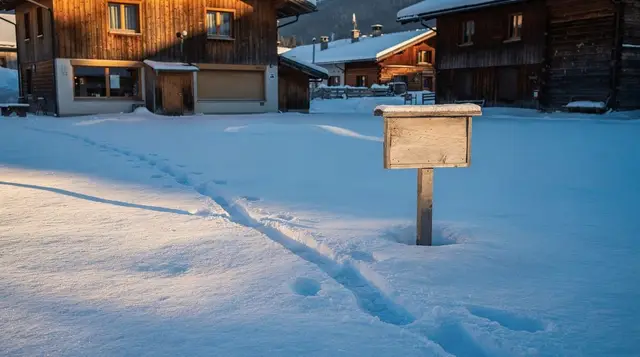
GetYourGuide does not provide a product photo for this activity — the image shows the meeting point, photographed by us.