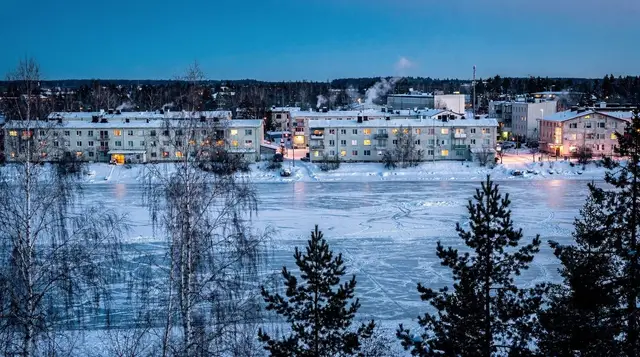
Best cafés in Rovaniemi
Where should I get coffee and pastries in Rovaniemi?
Head to the bakery-cafés along the pedestrian streets in the compact city centre, or to the museum cafés at Arktikum and Korundi if you want a river or art-house setting. Expect to pay roughly 3 to 5 euros for a coffee and a korvapuusti cinnamon bun, and to pay by card almost everywhere.
Coffee is the actual national drink
Finland drinks more coffee per person than almost anywhere on earth, and Rovaniemi, small as it is, follows the pattern to the letter. This is not artisanal café culture built for visitors: it is a working habit, filter coffee brewed strong and often, poured freely, and drunk through the entire day rather than saved for a single ritual moment. If you are used to a single espresso as a treat, recalibrate. In Rovaniemi coffee is closer to a utility, and the pastry that comes with it matters almost as much as the drink.
This guide covers the café side of the town specifically: daytime coffee and pastries, the social habit around them, and what things cost. It does not cover where to eat in Rovaniemi for full meals, Lappish cuisine in general, or bars and nightlife, which is a later, alcohol-led scene with its own guide. Cafés here close early; bars open after.
Why cafés matter more in winter than in summer
Rovaniemi’s winter runs commonly from -10 to -25°C, with genuine cold snaps below -30°C some years, and the dry cold is bearable in short bursts but not endlessly. A café is where you go to actually warm up between outdoor stretches, not just where you go for a drink. Fingers and faces recover indoors with a hot cup faster than they do standing around outside, and the compact, walkable grid of the city centre means you are rarely more than ten minutes from somewhere to sit down. Build a café stop into any winter afternoon on foot; it is not an indulgence, it is thermal management.
In summer, with the midnight sun keeping the sky bright until late, cafés serve a different purpose: somewhere shaded and calm after a day outdoors, often with outdoor seating that only exists a few months of the year.
Korvapuusti: get the facts right before you order
The pastry you will see everywhere, in every bakery window and on every tour lunch table, is korvapuusti, a cinnamon and cardamom-spiced sweet bun, twisted rather than rolled, sometimes dusted with pearl sugar. It is genuinely excellent with coffee. It is also, and this matters, a Finnish national pastry found from Helsinki to the Arctic Circle, not a Lappish invention and not something unique to Rovaniemi. If a café or a souvenir shop implies otherwise, they are dressing up something ordinary as something local. Enjoy it for what it is: Finland’s everyday cinnamon bun, done well, everywhere, including here.
Pulla, the enriched cardamom dough korvapuusti is made from, also appears as plaited loaves and other shapes, and you will see it at breakfast buffets as much as in cafés.
Leipäjuusto belongs with coffee, not on this page in detail
One genuinely Lappish pairing does belong in a café conversation: leipäjuusto, the squeaky baked cheese, served warm in slices with a spoon of cloudberry jam, traditionally alongside coffee rather than as a standalone dish. It is less common on ordinary café counters than korvapuusti, and more likely to appear at a farm visit, a lunch stop, or a dedicated Lappish meal. Rather than repeat it here, the full detail on leipäjuusto and the rest of the regional table sits in the Lappish cuisine guide; this page stays focused on the daily coffee-and-pastry habit rather than the wider menu.
Where coffee actually happens in Rovaniemi
The town’s small, walkable centre means café options cluster within a fifteen-minute walk of almost any hotel. A few categories to know before you go looking:
Bakery-cafés on the pedestrian streets. The commercial core, rebuilt after 1944 to Alvar Aalto’s plan, holds most of the town’s everyday bakery-cafés along its main shopping streets. These are the places locals actually use for a mid-morning break: counter service, cabinets of pulla and korvapuusti, coffee refilled without much ceremony.
Museum cafés. The café inside Arktikum, under its long glass roof looking out towards the Kemijoki, is a genuinely pleasant stop even if you are not visiting the museum that day, though the exhibits on Lapland’s history are worth the two hours regardless. Korundi, the contemporary art museum in a converted bus depot, has a quieter café attached, useful if you want somewhere calm to sit with a coffee away from the main streets.
Hotel lobby cafés. Most mid-range and larger hotels run a café open to non-guests, useful on a very cold day when you would rather not walk further than necessary, though prices run slightly above the bakery-cafés downtown.
Supermarket bakery corners. K-Market and S-Market branches around the centre sell coffee and pastries at noticeably lower prices than any sit-down café, no seating or atmosphere included, and are a fair budget option if you are watching spend; see the grocery and budget tips guide for more on stretching a Rovaniemi budget generally.
Santa Claus Village. Cafés inside the Santa Claus Village complex exist mainly to serve the volume of day visitors passing through; treat them as convenience stops rather than destinations, priced accordingly for a captive audience.
The coffee break as a social habit, not a photo op
What is worth understanding, more than any single address, is that the coffee break is a load-bearing part of Finnish daily life. Offices, shops and workplaces build in short, genuinely taken pauses through the day, usually one mid-morning and one mid-mrst afternoon, and cafés fill with local regulars at fairly predictable hours rather than staying busy all day evenly.
It is not performed for visitors and it is not really a social occasion in the sense of lingering for hours; people take their ten or fifteen minutes, have a coffee and often a small pastry, and go back to work. If you time a café visit for those windows, you will be sitting among Rovaniemi actually living its day, not among other tourists, which is a small but real way to see the town rather than just pass through it.
Pulla and korvapuusti exist largely to accompany this break. It is worth trying a café stop at, say, half past nine in the morning rather than only at lunchtime, purely to notice the difference in who is around you.
What it costs
Finland is not a cheap country, and cafés are no exception, though they are one of the more affordable ways to spend time indoors here compared with a sit-down restaurant meal.
| Item | Typical price |
|---|---|
| Filter coffee, refill often included | €3 to €4 |
| Espresso-based drink (latte, cappuccino) | €4 to €5.50 |
| Korvapuusti or other pastry, alone | €3.50 to €5 |
| Coffee and a pastry together | €6 to €9 |
| Leipäjuusto with coffee, where offered | €6 to €10 |
| Supermarket bakery coffee and pastry | €3 to €5 |
Prices generally sit a little higher in December, in step with the wider seasonal mark-up across accommodation and activities in the town’s busiest month, though the increase on a cup of coffee is modest compared with what happens to hotel rates.
Cashless by default
Card and contactless payment are the default for a coffee, to the point that carrying cash for this specific purpose is largely pointless. Many counters would rather you tapped a card than counted out coins, and you will not be met with any friction for paying two or three euros by card. Free wifi is standard at essentially every café in town, useful if you are working through a travel day or just checking an aurora forecast between attractions.
Hours run daytime rather than late: many cafés close by 5pm or 6pm, earlier on Sundays, and do not stay open into the evening the way bars do. If you want somewhere open after dinner, that is a different guide and a different kind of venue entirely.
Coffee shows up on tours too, whether you plan for it or not
Because the coffee break is so embedded in daily life here, hot drinks turn up as a fixture on organised activities even when the tour itself is about something else entirely. Aurora-hunting minibus tours typically build in a campfire stop with hot berry juice or coffee; husky and reindeer farm visits often offer a coffee before or after the sledding; and a half-day ice fishing trip on a frozen lake usually includes a thermos to keep hands moving between casts.
If food and coffee culture is the actual point of your visit rather than a side effect of it, a guided tasting tour through Lapland’s food scene covering korvapuusti, coffee, and the wider Lappish table in one sitting can be a useful shortcut. A guided food tour through Rovaniemi’s coffee, bakery and Lappish specialities puts several of these stops together in an afternoon rather than leaving you to find them one by one.
For a more hands-on version, a small-group cooking class covering Lappish dishes will take you past the café counter and into the kitchen, useful if you want to understand what goes into the food rather than just eat it. There is also a private workshop on making jam from arctic berries, which connects directly to the cloudberry jam that turns up with leipäjuusto and, in smaller ways, alongside pastries too.
If you would simply rather have someone show you around the rebuilt centre, its bakery streets and its river views while explaining what you are looking at, a private walking tour of Rovaniemi with a local guide is a reasonable way to combine the 1944 reconstruction history with a natural excuse to stop for coffee along the way.
How this fits with the rest of your trip
Coffee and pastries are a daytime, indoor-warming habit; they are distinct from the evening drinking scene covered in the bars and nightlife guide, and distinct from a proper sit-down meal, covered in the where to eat guide and the broader Lappish cuisine guide. If you are trying to avoid overpriced, low-quality tourist spots generally, the guide to tourist-trap restaurants is worth reading alongside this one, since the same instincts (busy through-traffic locations, laminated multilingual menus, prices with no local customers in sight) apply to cafés as much as to restaurants.
A coffee and a korvapuusti will rarely be the highlight anyone tells you to plan a trip around. It is nonetheless one of the more honest, low-cost, low-effort ways to spend twenty minutes in Rovaniemi between the aurora tours and the museum visits, and understanding it as a daily habit rather than a special occasion will make your own stop feel less like a tourist checkbox and more like doing what the town actually does.
Cafés and coffee culture in Rovaniemi: FAQ
Is korvapuusti a Lappish speciality?
No. Korvapuusti is a classic Finnish cinnamon bun found in every Finnish town, not something unique to Rovaniemi or Lapland. It travels well as a snack, which is why it turns up constantly on excursions here, but do not expect a local twist.
How much does coffee cost in Rovaniemi?
A plain coffee typically runs €3 to €4, and a coffee with a korvapuusti or other pastry usually comes to €6 to €9. Prices climb somewhat in December, in line with the rest of the town’s pricing.
Do Rovaniemi cafés take cash?
Most will if you insist, but card and contactless payment are the norm and some smaller counters would genuinely rather not handle cash at all. Bringing euros specifically for coffee is unnecessary.
Are cafés and bars the same thing in Rovaniemi?
No. Cafés serve coffee and pastries through the day and close early evening; bars and nightlife venues are a separate, later scene built around alcohol. See the bars and nightlife guide for that side of things.
What is a Finnish coffee break?
It is a short, genuinely observed pause built into the working day, usually mid-morning and mid-afternoon, taken with coffee and often a small pastry. It is a routine, not a tourist performance, and you will see offices and shops empty their staff into cafés at fairly predictable hours.
Is leipäjuusto served with coffee in Rovaniemi?
Yes, leipäjuusto, the squeaky baked cheese, is traditionally served warm with coffee and a spoon of cloudberry jam. It is more of a specific Lappish dish than an everyday café item, so see the Lappish cuisine guide for it in full rather than expecting it on every counter.
Do cafés have wifi and are they open all year?
Yes to both. Free wifi is standard, and city-centre cafés run year-round rather than seasonally, unlike attractions such as SnowCastle or the glass igloos. Hours are generally daytime only, often closing by 6pm or earlier, especially outside the December peak.
Lappish food & drink tours on GetYourGuide
Verified deep-linked GetYourGuide tours. Book through these links and we earn a small commission at no cost to you.
GetYourGuide does not provide a product photo for this activity — the image shows the meeting point, photographed by us.