Rapids on the border river
Kukkolankoski is a stretch of rapids on the Tornionjoki, the river that forms much of the border between Finland and Sweden, roughly 15 km upstream from central Tornio. It is not a single attraction with a ticket booth and opening hours; it is a village, a set of rapids, and a fishing tradition that happens to have become a summer visitor draw. Anyone expecting a manicured rapids-viewing platform with a gift shop will be adjusting expectations on arrival — what is actually here is a working stretch of river with wooden fishing platforms bolted to the rocks, a handful of summer operators, and a slower pace than most stops in Finnish Lapland.
The rapids themselves are not dramatic by whitewater standards — no waterfall, no canyon walls, nothing that reads as spectacular in a photograph from a distance. What makes Kukkolankoski worth a detour is the dip-net fishing that has been practised here for generations, plus a summer scene of swimming, rafting and riverside sitting that is genuinely pleasant on a warm day. This page covers Kukkolankoski specifically; for the town of Tornio itself, its border crossing with Haparanda and its shops, see the separate Tornio guide.
The dip-net fishing tradition
The technique practised at Kukkolankoski is patokalastus, dip-net fishing from a fixed wooden platform built out over the rapids. Fishers stand on platforms anchored to the rocks and dip long-handled nets into the current as migrating fish move upstream, a method documented on this stretch of the Tornionjoki for centuries and still practised by local families and fishing cooperatives rather than staged purely for visitors. The target species are salmon and whitefish, both of which move up the river to spawn.
This is the point where a lot of casual research goes wrong: the fishing is not a year-round attraction. It runs on a regulated summer season, with permits, catch quotas and set opening dates that are set by fisheries authorities and can shift from year to year depending on stock levels. Salmon numbers on the Tornionjoki have fluctuated enough over the decades that restrictions are taken seriously — this is a working fishery, not a demonstration laid on for tourists, and closures happen when they need to. Visitors who want to try dip-net fishing themselves, rather than just watch, should book through a local operator or the village fishing association ahead of time; it is not something you improvise on arrival.
| Aspect | What to expect |
|---|---|
| Season | Roughly June to August, dates set annually |
| Species | Salmon and whitefish |
| Access | Permit required; book through a local operator |
| Method | Long-handled dip net from a fixed wooden platform |
| Winter status | No fishing; platforms not in use |
Watching from the bank is free and possible whenever the platforms are staffed in season. Trying it yourself, or fishing with a guide, is a paid activity that needs arranging in advance rather than a walk-up option.
Summer at Kukkolankoski: rafting and swimming
Outside the fishing itself, Kukkolankoski in summer is a swimming and rafting spot. The river has calmer sections close to the rapids where people swim, with areas marked away from the strongest current — worth taking seriously, since the main channel through the rapids moves faster than it looks from the bank. Rafting here is a short, guided ride through a stretch of the rapids in an inflatable raft, run by local operators through the warmer months. It is a mild, family-friendly version of whitewater rafting rather than an expedition-grade rapid; the appeal is the setting and the novelty of running the same water the fishing platforms sit in, not the size of the rapids.
A village-scale visitor offering has grown up around the fishing tradition: a small café, a fishing museum or heritage display in some seasons, and a handful of rooms or riverside cabins connected to local operators. This is modest compared with the infrastructure at Kemi or Tornio — most visitors treat Kukkolankoski as a half-day stop rather than a base, staying overnight in Tornio, Kemi or back in Rovaniemi instead.
Winter reality: partly frozen, not a fishing spot
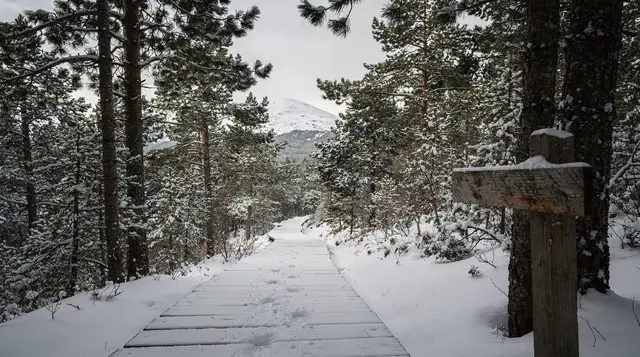
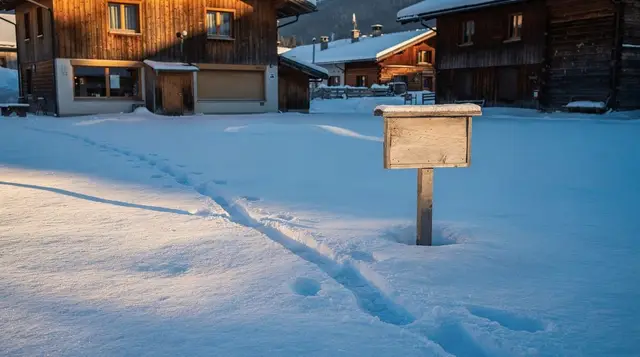
It is worth being direct about this, because Kukkolankoski gets bundled into Lapland itineraries alongside genuinely year-round attractions like the Sampo icebreaker or Kemi SnowCastle, and that grouping is misleading. In winter, the rapids at Kukkolankoski partially freeze — moving water resists ice more than a still lake, so parts of the channel stay open even in deep cold, but the fishing platforms are not staffed, dip-net fishing does not happen, and there is no rafting or swimming. What you would see in winter is a snow-covered riverbank and a stretch of half-frozen, half-open rapids: a quiet, cold landscape rather than an active attraction.
If the appeal for you is specifically the fishing tradition, the platforms and the summer river scene, plan the visit for late June to August. If you are already in the Kemi–Tornio area in winter for the icebreaker or the SnowCastle, a look at the frozen rapids is a short, free add-on with low expectations attached — not a reason to make the drive on its own.
Getting there from Rovaniemi
Kukkolankoski sits around 150 km from Rovaniemi, close to two hours by car, following the same route toward Tornio and then a short distance further upstream along the river. There is no meaningful direct public transport link that runs often enough to build a day around — most visitors arrive by rental car, either as a standalone trip or folded into a wider loop through Kemi, Keminmaa and Simo along the coast of the Bothnian Bay.
For the general rules on winter driving between these towns — studded or winter tyres, reindeer on the road, headlights on at all times — see driving in Lapland: reindeer and ice roads and, if you are renting, renting a car and winter tyres.
Because Kukkolankoski is a summer-only draw layered onto a winter-oriented region, it is worth reading what is not a day trip from Rovaniemi before building an itinerary around it in the cold months — the honest answer for winter is that Kukkolankoski becomes a minor stop, not a destination. For a broader sense of the Kemi and Tornio area as a single outing, see the Kemi day trip guide and the Kemi and the north day trips itinerary, both of which treat Kukkolankoski as an optional add-on rather than the main event.
Combining Kukkolankoski with the rest of Sea Lapland
Kukkolankoski works best as one stop in a longer day around the Kemi–Tornio stretch, sometimes called Sea Lapland — a region distinct in character from Rovaniemi’s forests and fells, built instead around the Kemijoki reaching the sea, the industrial history of Kemi, and the border crossing into Sweden. If your visit falls in summer, the fishing platforms and rafting are the reason to come specifically; if it falls in winter, treat the rapids as a quiet detour on the way to or from something else in the area.
Because Kukkolankoski itself has almost nothing bookable through a tour operator — it is a local, small-scale fishing and swimming spot rather than a commercial attraction — most visitors pair a look at the rapids with an activity actually based in Kemi or Tornio. A regional aurora tour is a reasonable way to fill the evening after a daytime stop at the rapids: the Kemi and Tornio search for the northern lights by car tour covers the same stretch of countryside after dark, and the Kemi auroras tour with snacks runs from a similar base if you would rather not drive yourself.
Travellers building a family day around Tornio sometimes add the Kemi–Tornio husky farm visit, which runs in the warmer months and sits well alongside a Kukkolankoski stop on the same itinerary. If you are basing yourself further out and want one broader aurora outing that does not depend on the Kemi–Tornio area specifically, the a trip to a secluded spot to see the northern lights is a more general option worth comparing.
How to spend a half day at the rapids
The simplest way to use the time is to treat the rapids as a slow, unhurried stop rather than a checklist. Start by walking along the bank and watching the platforms from a distance: the way the nets are lowered into the current, held, and lifted again says more about the tradition than any sign could. Spend a while on this before deciding whether you want to do anything more active, because the mood of the place is quiet and local, and it rewards people who stand still for a few minutes.
If the weather is warm, the natural next step is the water itself. Choose a calmer stretch for a swim, keep clear of the fast channel, and let children stay close to the marked areas. Rafting, if you want it, fits best as the one organised activity of the visit, followed by a sit-down at the café and a last look at the river before you leave. Anyone more interested in photographs than in getting wet can happily skip both and simply follow the platforms along the rocks, where the light on moving water changes constantly.
Choosing between Kukkolankoski and other river stops
Kukkolankoski is a niche choice, and it helps to know who it suits. It suits travellers who enjoy a place with a living tradition behind it, who are comfortable with a low-key setting, and who are already driving through the Tornio area. It suits less well anyone who wants a headline sight, a guided programme running all day, or a lot of facilities close at hand. If you are weighing it against something larger, the Kemijoki river and the sea-facing attractions around Kemi offer a different kind of day, more organised and less tied to one season.
For the wider picture of how this northwestern corner compares with other bases, Finnish vs Swedish vs Norwegian Lapland is a useful read, especially because the Tornionjoki is the line along which two of those countries meet. Standing on the Finnish bank and looking across the water to Sweden gives the border a physical reality that a map never quite does.
Practical habits that make the visit easier
A few small habits make a real difference here. Check the current state of the fishing season with a local operator before you set out, so that you arrive knowing whether the platforms are in use. Wear shoes with a decent grip, since the ground near the water can be rough and wet. Carry a light layer even in summer, because a river valley can feel cooler than the road you drove in on. And keep your plans flexible: a visit like this is better when it has room to stretch if the river is lively, or to end early if the weather turns.
If you are travelling with others who are less interested in fishing, agree in advance on a rhythm for the stop, with some time at the platforms, some at the water and some at the café. That keeps everyone content and stops the half day from feeling long. Those planning the rest of the journey can look at the Tornio day trip into Sweden to see how the border town fits into the same outing.
What to know before you go
Set expectations before making the drive. Kukkolankoski is not a manicured attraction, and the fishing that gives it its name is genuinely seasonal and permit-controlled rather than a photo opportunity laid on for visitors. Bring cash or a card for a small café rather than expecting restaurants; bring swimwear only in summer; and check current fishing dates with a local operator rather than assuming last year’s season applies. If your main interest is watching people fish from the platforms, aim for a weekday in July or August when the season is most likely to be open — there is no guarantee tied to any specific date, since permits and quotas shift.
For travellers who want river and rapids scenery without the seasonal caveats, the frozen Bothnian Bay itself and the Sampo icebreaker cruise out of Kemi are dependable winter alternatives; Kukkolankoski’s own strongest season runs the opposite half of the year.
Kukkolankoski FAQ: fishing season, rafting and getting there
Can you fish at Kukkolankoski in winter?
No. Dip-net fishing runs on a summer season set by fishing regulations, roughly June to August. In winter the rapids are partially frozen and the wooden platforms are not in use, so there is nothing to book or watch on that front.
Do you need a permit to fish at Kukkolankoski?
Yes. Salmon and whitefish fishing on the Tornionjoki is regulated, with permits, quotas and set dates that can change year to year. Visitors who want to try dip-net fishing should book through a local operator or the village’s fishing organisation rather than assume they can turn up and fish.
Is Kukkolankoski the same place as Tornio?
No. Kukkolankoski is a village and set of rapids on the Tornionjoki, around 15 km upstream from central Tornio. It is close enough to combine in a day, but it is a separate stop with its own, narrower set of things to do.
Can you swim at Kukkolankoski?
Yes, in summer. The river has calmer stretches near the rapids that locals and visitors swim in, and there are marked areas away from the strongest current. The fast water in the rapids themselves is not for swimming.
What is rafting at Kukkolankoski like?
It is a short, guided ride through a stretch of the rapids in an inflatable raft, running in summer only. It is closer to a splashy novelty than a whitewater expedition — the rapids here are historically significant more than they are large.
How do you get to Kukkolankoski without a car?
Public transport is thin. Most visitors reach Kukkolankoski by rental car or as part of an organised day trip from Tornio or Kemi; there is no direct bus service running frequently enough to rely on.
Is there anywhere to eat or stay at Kukkolankoski?
There is a small village-scale offering — a café and a handful of rooms or cabins tied to the fishing tradition — rather than a proper tourist infrastructure. Most visitors base themselves in Tornio or Kemi and treat Kukkolankoski as a half-day stop.